Can Foreigners Buy Property in Lombok? The Three Legal Routes
Ira — Agen Properti Berlisensi (802406) · 1 October 2026
This is the question that arrives before anyone asks about price. "I am not Indonesian. Can I actually buy here?" The short answer is yes, there are three legitimate routes, and we broker deals on all three. The longer answer matters more, because the most popular arrangement in Lombok and Bali, the nominee, is also the one that can leave you with nothing.
We are licensed agents, not notaries or lawyers. Treat what follows as an honest map of the terrain, then have the specific deal checked by a notary or PPAT before money moves. Land rules are national, so everything here applies in Lombok exactly as it does in Bali.
The one rule everything hangs on
Freehold title, Hak Milik (the SHM certificate), is for Indonesian citizens. A foreign national cannot hold it, anywhere in the country, at any price.
This is not a technicality that a clever structure dissolves. Under Article 26(2) of the Basic Agrarian Law (Law No. 5 of 1960), if a foreigner acquires Hak Milik, the land falls to the state. Not back to the seller, not to you in some reduced form. To the state. That single sentence is why the shortcut below is such a bad idea.
What a foreigner can hold is a right to use, or a building right through a company. Three routes, each with a different trade-off.
Route 1: Leasehold (Hak Sewa)
The simplest, and the most common for holiday villas. You do not own the land, you hold a contractual right to use it for an agreed term, commonly 25 to 30 years with extension options written in from the start.
- No residency required. This is the big one. You do not need a KITAS or KITAP, so a lease works for buyers who are not living here.
- Notarise and register it. A lease that exists only as a private agreement is a promise. Have it drawn by a notary and recorded against the certificate at the land office.
- The extension clause is the whole deal. Price, conditions, and who decides at renewal should be fixed in the original contract, not left to goodwill in year 29.
Leasehold is where most first-time foreign buyers in Lombok land, and honestly, for a holiday home you will use for twenty years, it is often the sensible choice rather than the compromise.
Route 2: Hak Pakai (right to use)
This is the route for foreigners who actually live in Indonesia and want a home in their own name on the certificate.
- You need immigration documents. Article 69(1) of Government Regulation PP No. 18 of 2021 limits this to foreigners holding valid immigration papers, in practice a KITAS or KITAP.
- Duration is 30 years, extendable 20, renewable 30. Eighty years in total, as long as you keep meeting the residence condition.
- Two shapes. A house on Hak Pakai over state land, or Hak Pakai granted over someone else's Hak Milik through a PPAT deed, which is then recorded in the land book. The second shape is what usually happens in Lombok, because almost all private land here is SHM.
- There are limits. Under Ministerial Regulation ATR/BPN No. 18 of 2021 the house must fall in the luxury-residence category, one plot per person or family, with a maximum land area of 2,000 m², which is 20 are.
- There is a price floor. Foreign-owned residences must exceed a minimum value set per province by ministerial decision. We are not going to print a figure for West Nusa Tenggara here, because that number gets revised and a stale number is worse than none. Ask the Mataram land office or your notary for the current threshold before you commit.
One nuance people miss: you hold the right to use, and you can own the building. The land underneath is never yours. That is the deal, and it is a workable one.
Route 3: A PT PMA holding HGB
If the property is a business, a rental villa, a guesthouse, a development, then the honest structure is a foreign investment company, a PT PMA, holding Hak Guna Bangunan (the right to build).
- Duration mirrors Hak Pakai: 30 years, plus 20, plus 30.
- No personal residency needed, because the company holds the right, not you.
- The overhead is real. Minimum capital, licensing through the OSS system, annual reporting, corporate tax, an accountant. The investment minimum per business line is set by national investment rules and has changed more than once, so get the current figure from a corporate lawyer rather than from a blog, including ours.
A PT PMA is the right answer for a rental business at scale. It is an expensive answer for a single holiday house.
The nominee trap, and why we will not arrange one
You will be offered this. Someone will explain that you can hold SHM in an Indonesian friend's or staff member's name, with a side stack of agreements, a loan document, a power of attorney, a statement that the nominee claims no beneficial interest.
It does not work. Those agreements exist to defeat Article 26(2), which makes them unenforceable in the very court you would need if the arrangement broke down. The failure modes are mundane rather than dramatic: the nominee dies and their heirs inherit the certificate, the nominee divorces and the land is marital property, the nominee simply sells. In every version the paperwork that was supposed to protect you is the paperwork a judge cannot look at.
Certificate types and status can be verified against the Ministry of ATR/BPN. If a seller or agent is reluctant to let you check, that reluctance is the answer.
Married to an Indonesian?
Different situation, and a better one. Article 70 of PP 18/2021 is explicit: an Indonesian citizen married to a foreigner may hold land rights like any other citizen, provided the land is not joint marital property, evidenced by a property separation agreement in a notarial deed. In plain terms, a prenuptial or postnuptial agreement is the mechanism. Without it, the SHM is exposed.
What this looks like in Lombok, practically
Nearly all the private land we sell carries SHM, so a foreign buyer is almost always doing one of two things: taking a registered lease, or taking Hak Pakai over the owner's Hak Milik by PPAT deed. Neither is exotic. Both are routine work for a Mataram notary.
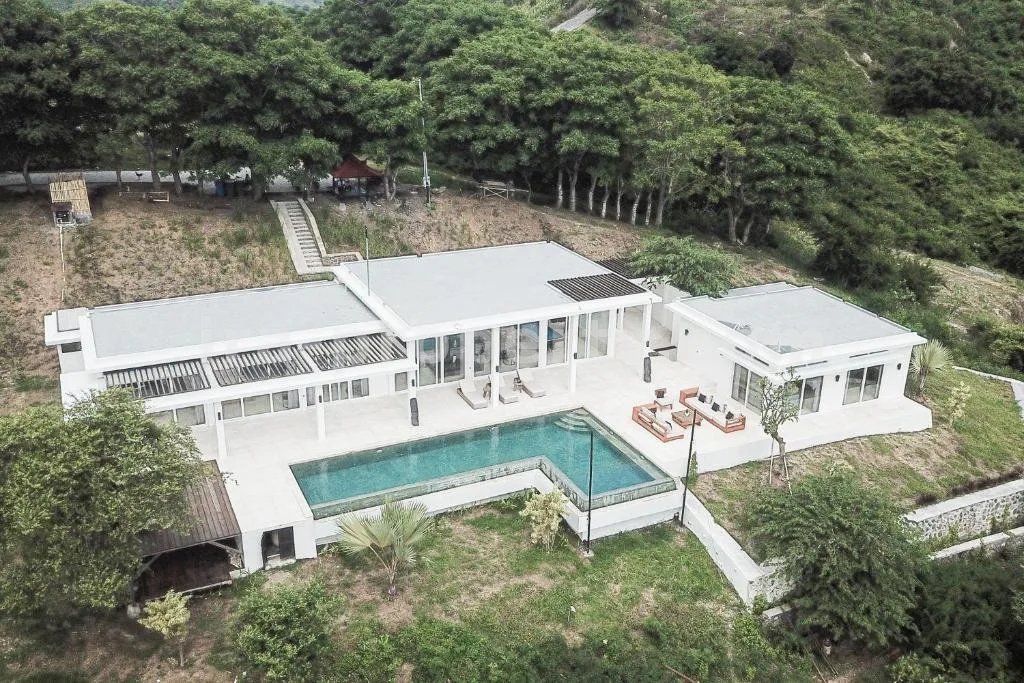
For a sense of what the entry costs, our land price guide sets out medians per area, and the Lombok versus Bali comparison covers the price gap between the islands. If you want to see stock, the villas around Senggigi and land in Kuta Mandalika are where foreign buyers look first.
The order of operations
Get this sequence right and most problems never start.
- Decide the route first, lease, Hak Pakai, or PT PMA, because it changes what you should even be shopping for.
- Verify the certificate before you talk seriously about price. Our guide on checking a land certificate covers what to look for and where.
- Appoint your own notary or PPAT, not the seller's.
- Only then negotiate, and follow the normal purchase steps in our guide to buying land in Lombok.
Short answers
Can a foreigner own land in Lombok? Not freehold SHM in a personal name. You can hold a registered lease, Hak Pakai with a residence permit, or HGB through a PT PMA.
Do I need a KITAS? For Hak Pakai, yes. For a lease or a PT PMA, no.
How long can I hold it? Hak Pakai and HGB run 30 years, extendable 20, renewable 30, so up to 80. Leases run for whatever the contract says, commonly 25 to 30 years plus extension.
Is the nominee structure really that risky? Yes. It is void at law, which means the documents protecting you cannot be enforced when you most need them.
Can I inherit or pass it on? A foreign heir can inherit a residence, but must hold immigration documents themselves to keep it.
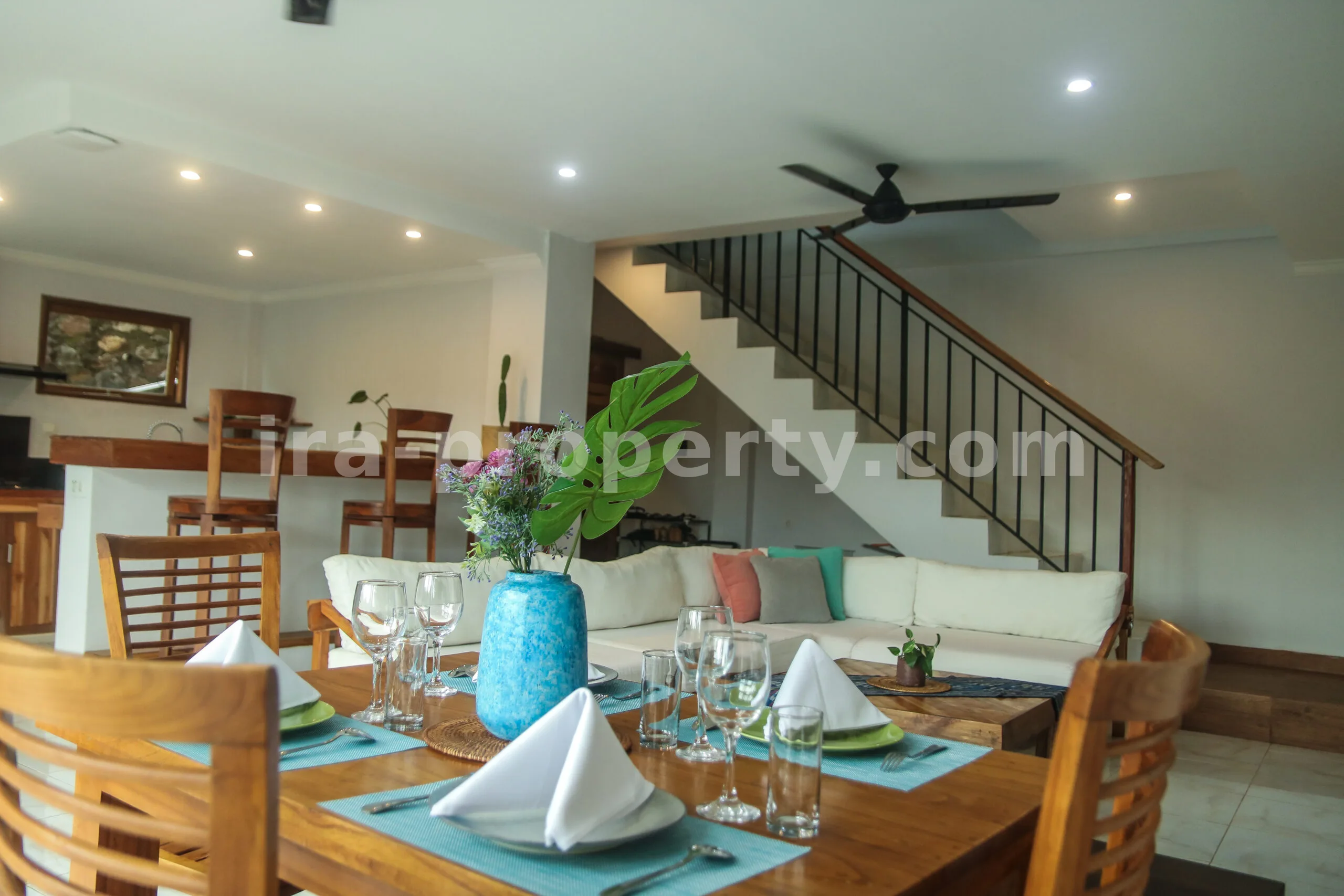
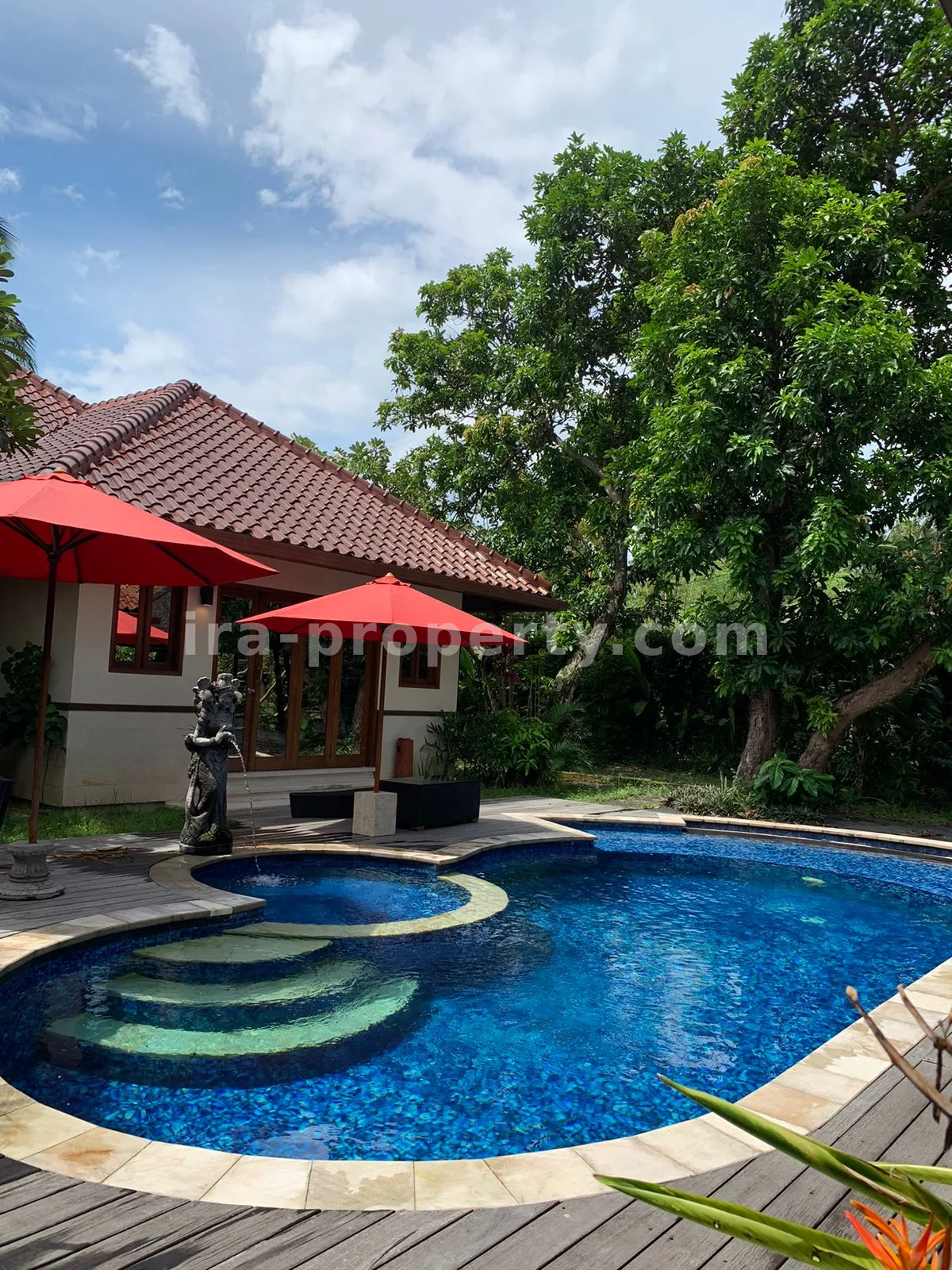
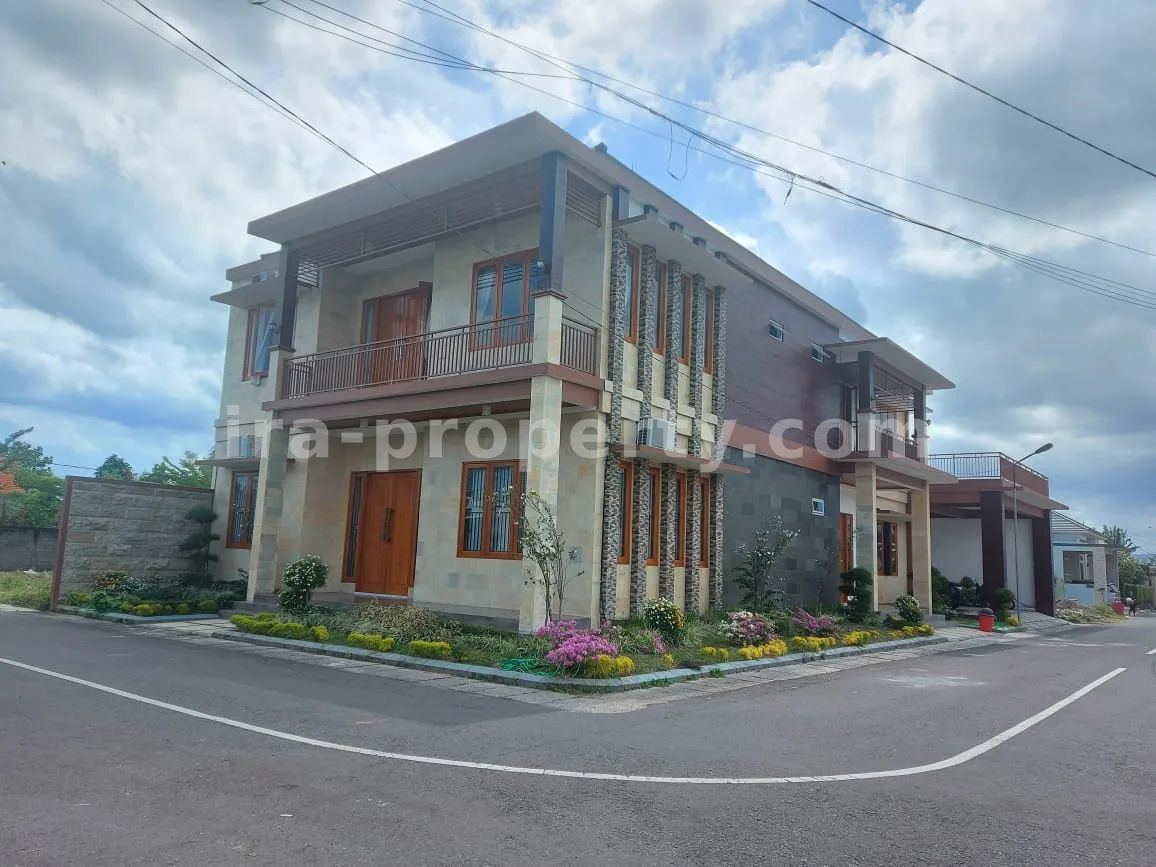
If you tell us your situation, whether you live here, whether this is a home or a rental business, and your budget, we will tell you which route fits and what it realistically costs, including when the answer is that you should lease rather than buy. The listings below are the kind of property foreign buyers most often ask us about.