How to Buy Land in Lombok: The Process, Certificates and Costs
Ira — Agen Properti Berlisensi (802406) · 28 September 2026
Buying land in Lombok is not hard. What costs people money is not the price — it is doing the steps in the wrong order. Pay first, check the certificate later. Do not.
This is the order we follow every time we close a deal. Follow it as written.
1. Check the certificate before anything else
Ask one thing up front: what is the status? SHM (freehold, Hak Milik) is the safest. There is also HGB, and — be careful — land still on girik or only an "AJB" with no certificate. Uncertified land is cheaper, and there is a reason for that.
Do not trust a photocopy. Take the certificate number to the Land Office (ATR/BPN) and ask for a check. A notary/PPAT can do this for you. What you are checking: the owner name matches the seller ID, the area matches, and the land is not mortgaged or under dispute. Not cleared yet? Then there is nothing to discuss about price.
2. Visit the land, do not just look at photos
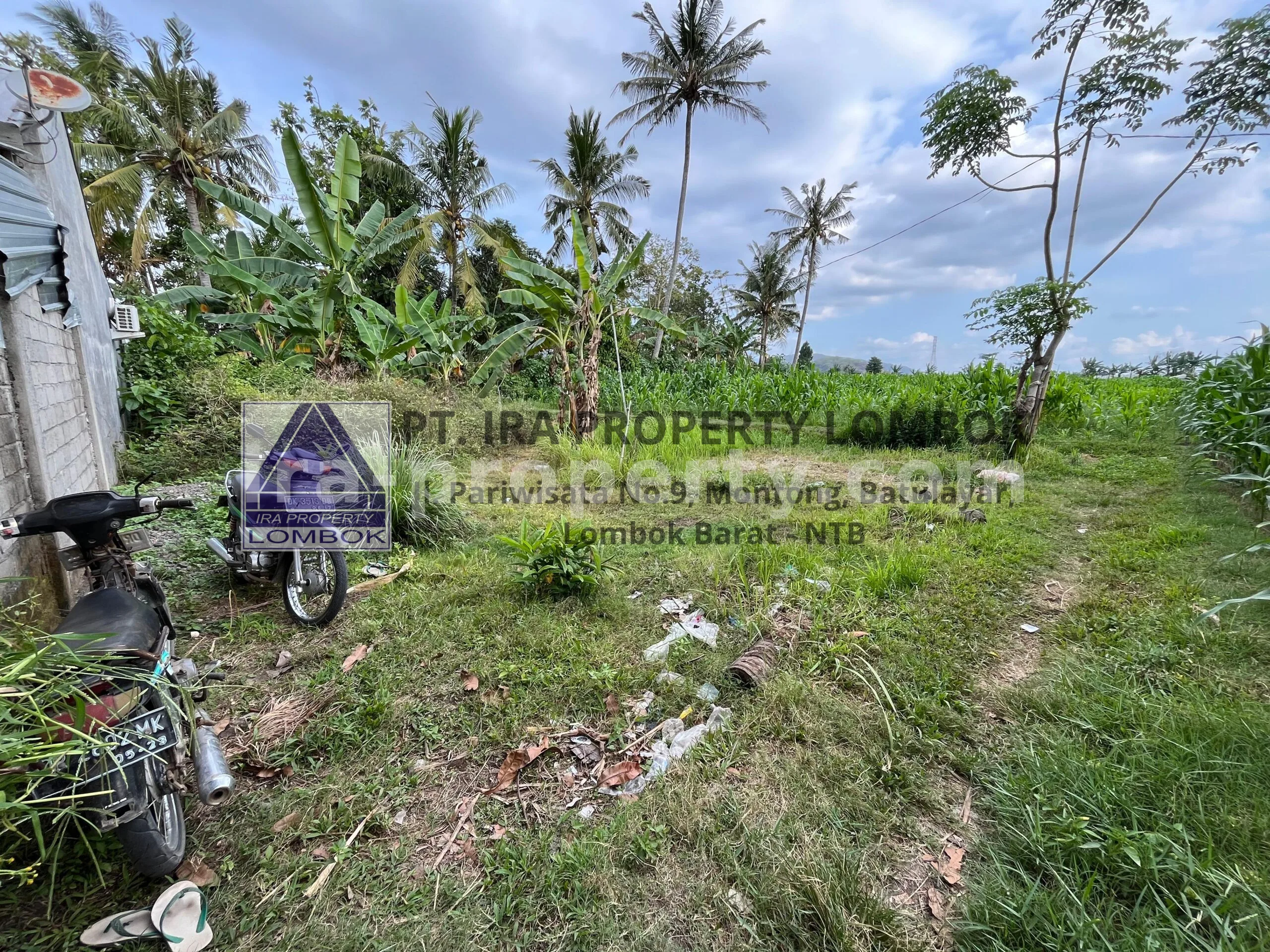
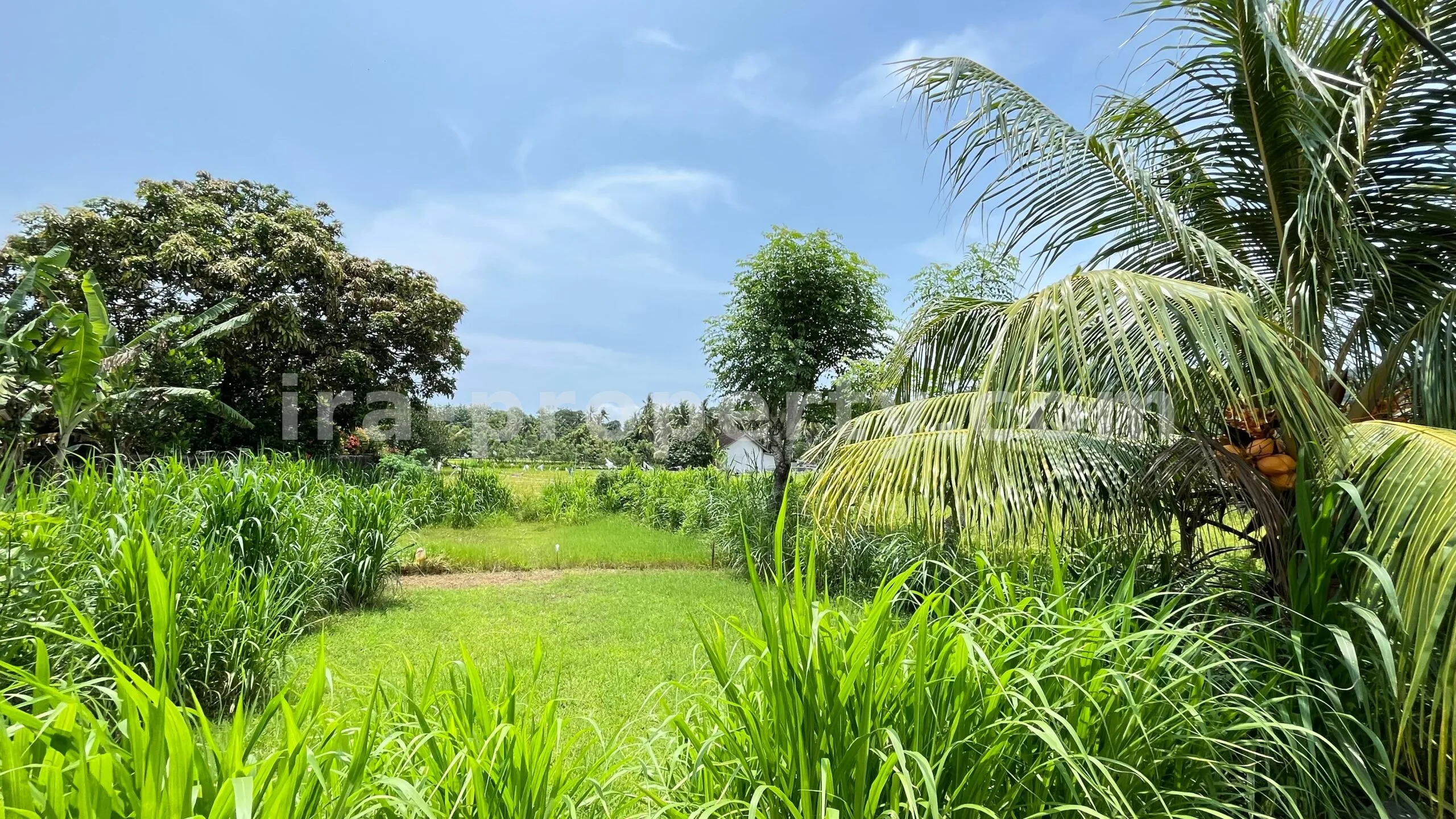
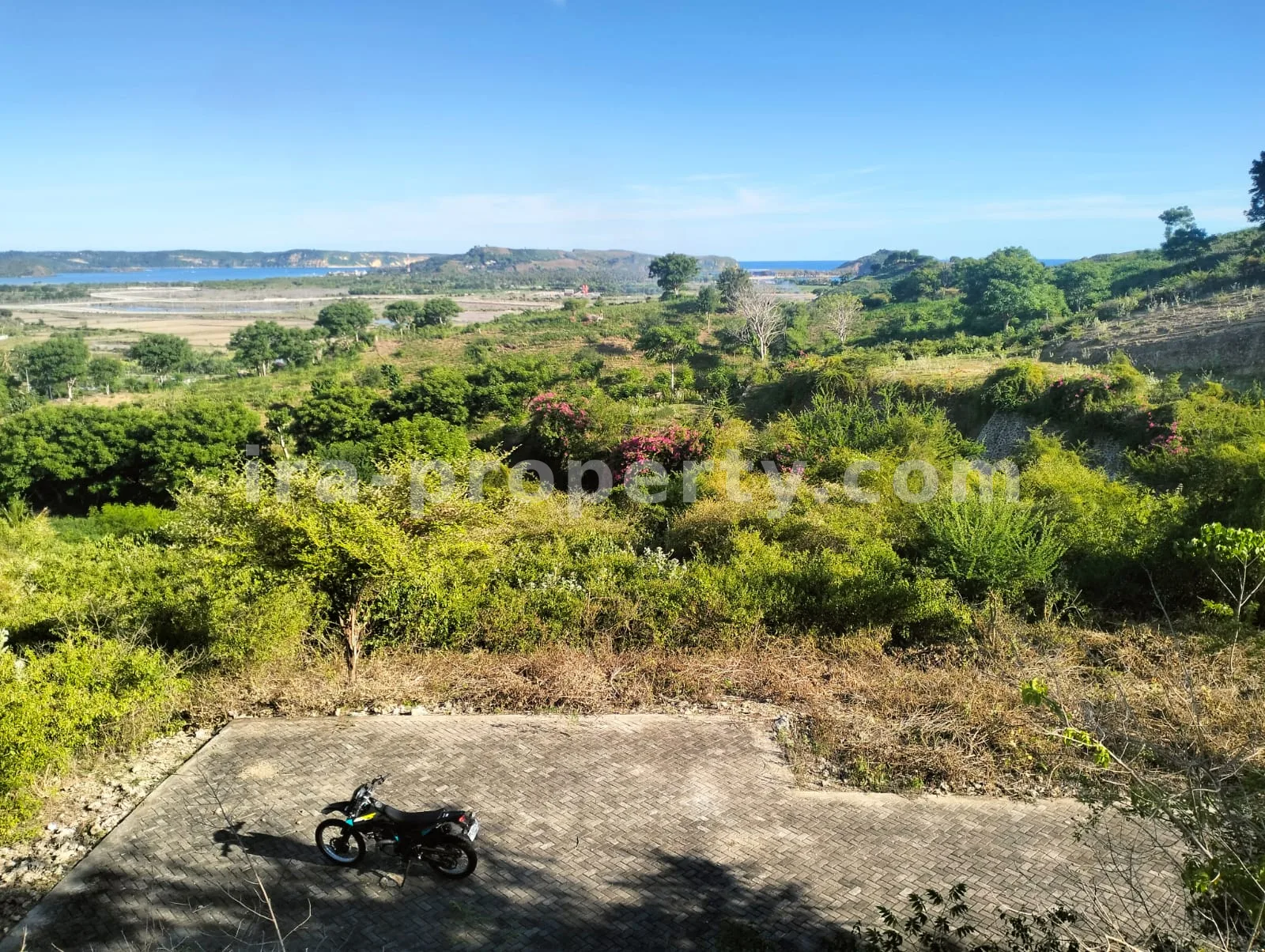
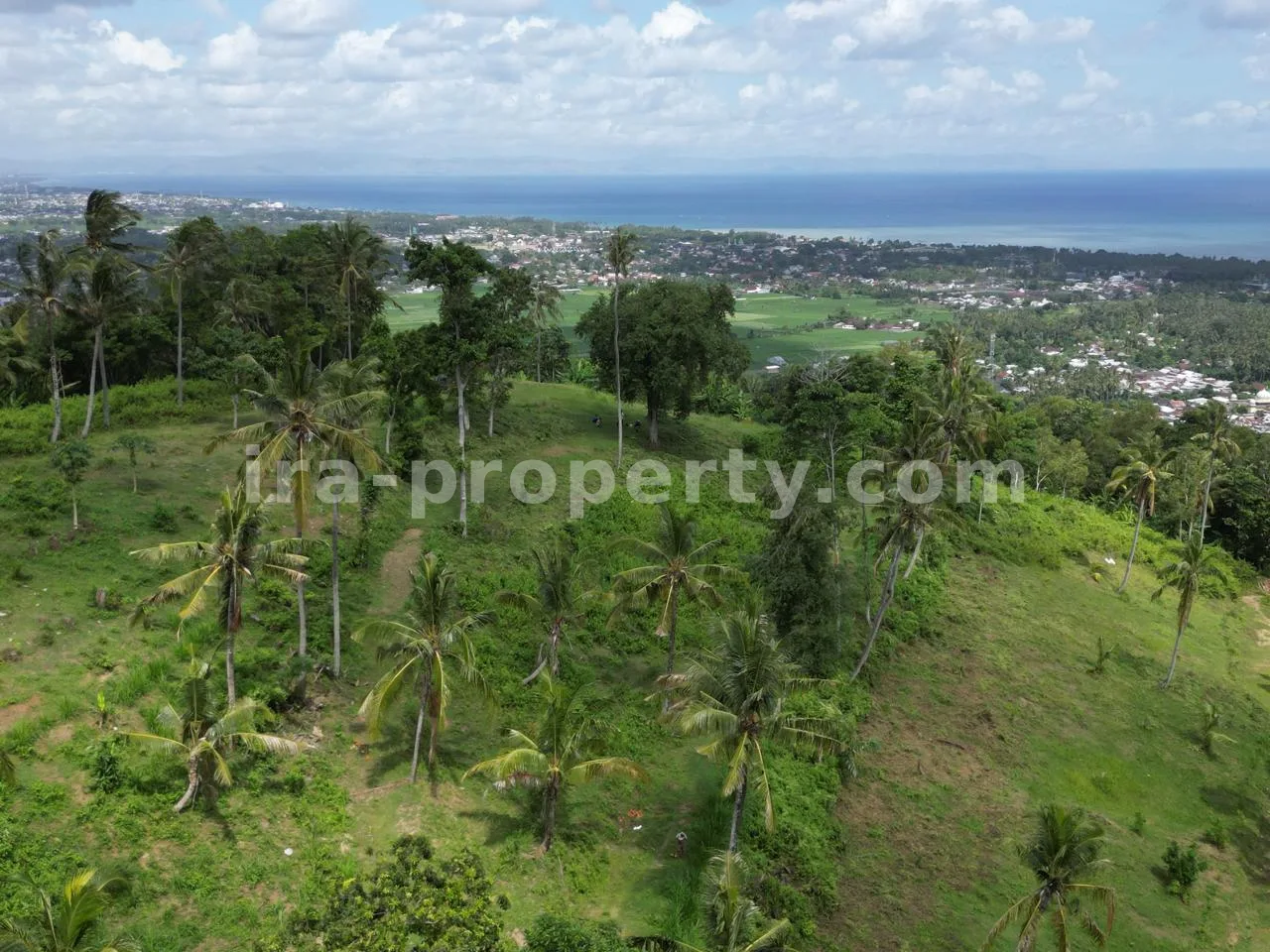
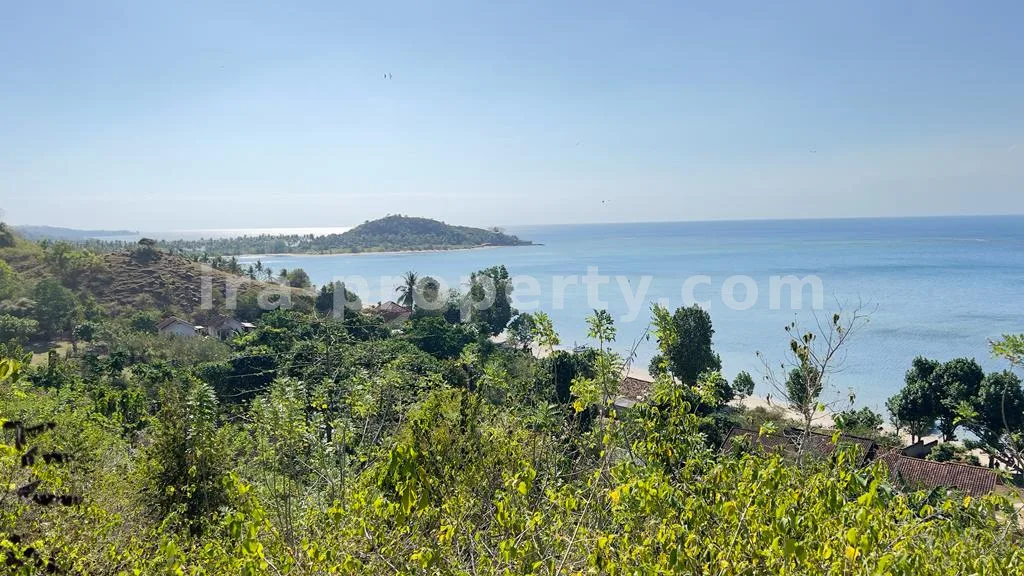
Drone shots are beautiful. The boundary markers on the ground often tell another story. Go to the site, match the area and borders against the certificate drawing, and look at:
- Road access. Car-width, or motorbike only? This drives resale value.
- Zoning. Buildable, or inside a green zone / beach setback? On the Lombok coast this trips people up often.
- Water and power. Present, or do you have to pull them in from far away?
If the land is inherited or owned by several people, make sure every heir agrees and signs. This is the number-one cause of disputes we see.
3. Agree the price, then lock it with a PPJB (if needed)
The listed price is the asking price — usually still 5–15% negotiable. Once you agree, if payment is in stages or documents are still pending, sign a PPJB (binding sale agreement) before a notary. This locks the deal before the final deed.
4. The AJB, before a PPAT
A valid transfer of rights happens through the AJB (deed of sale) made by a PPAT — usually a notary who is also a PPAT. Do not rely on a private receipt. Without an AJB, in the eyes of the law the land has not moved, even if you have paid in full.
5. Transfer the certificate into your name
After the AJB, the PPAT registers the transfer with BPN and the certificate is reissued in your name. Keep a copy of every document. That, not a receipt, is your proof of ownership.
Costs to budget for
On top of the land price, prepare for (rough figures — confirm with your notary):
- BPHTB (buyer tax) — 5% of the transaction value above the local tax-free threshold (NPOPTKP).
- Final PPh (seller tax) — 2.5%, usually borne by the seller, but always agreed in writing.
- Notary/PPAT fee + title transfer — around 1%, depending on the notary and the value.
So as a buyer, set aside roughly 6% on top of the land price. Not a fixed number — check first.
For foreign buyers
A foreign national cannot hold SHM in their own name. The routes are Hak Pakai or a PT PMA, and that is a topic of its own. What matters now: if someone offers you "SHM under a local nominee name", that is risky and can leave you losing money with no legal protection. We do not recommend it.
Quick answers
How long does it take? With clean documents, from agreement to title transfer is usually a few weeks. What drags it out is almost always incomplete paperwork, not the office queue.
Is girik land safe to buy? It can be, but it needs extra steps toward a certificate, and the risk is higher. If this is your first purchase, start with SHM.
Which notary should I use? Choose a PPAT whose working area covers the land location. We can recommend ones we work with regularly.
When you are ready, a few SHM plots below are a good starting point — we have checked every certificate. Or send a message; we will walk you through it, from the certificate check to the title transfer.