 13 photos
Rp 650 jt
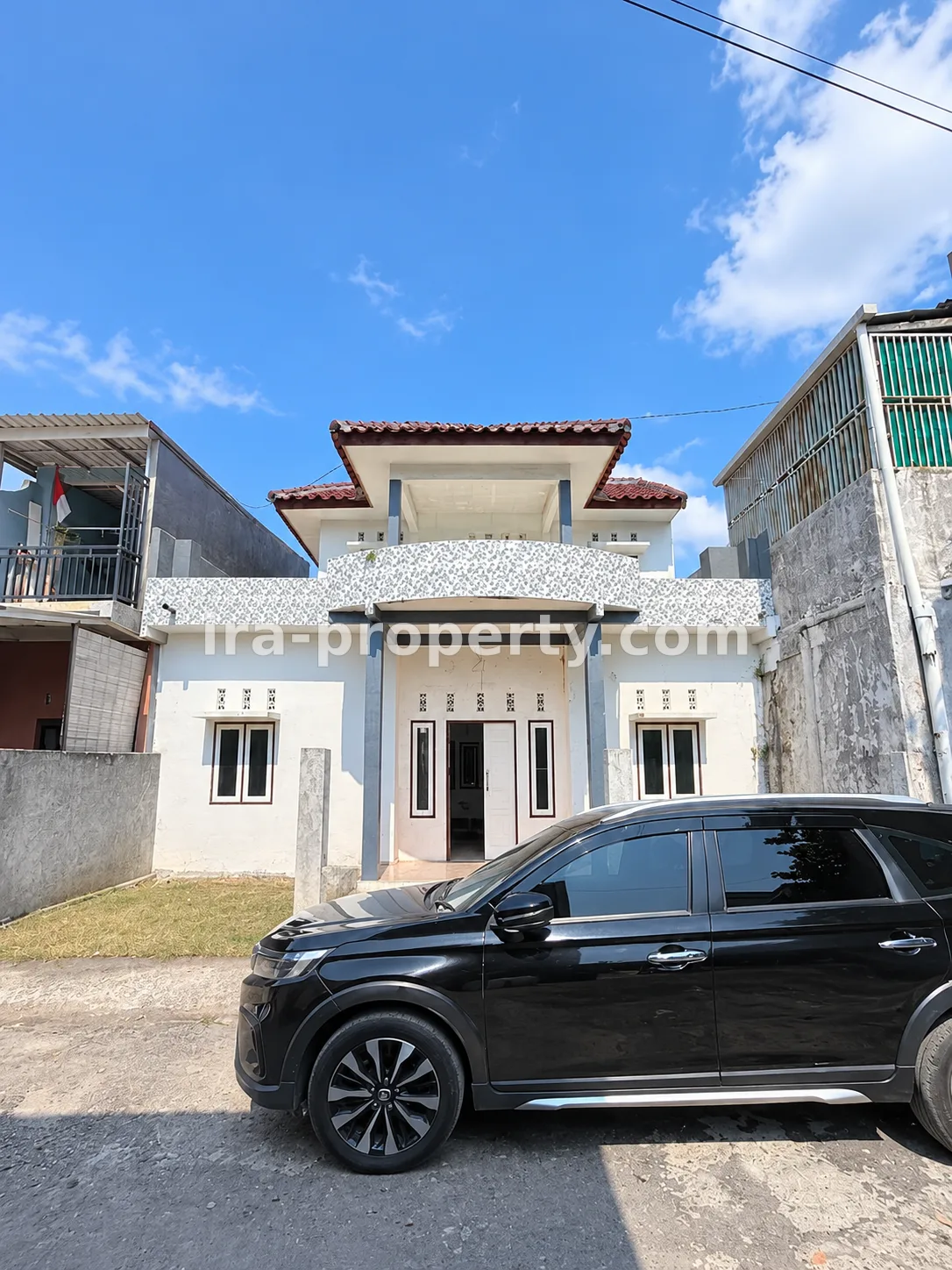
Two-story house ready to move in in the Jempong residential complex in Mataram,
Mataram City
- 120 m²
- 4 BR
- 3 BA
Code 1059WhatsApp
Showing 1–18 of 409 properties · median Rp 125 million per are · page 1 of 23
13 photosRp 650 jt
Mataram City
 10 photos
 12 photos
Rp 700 jt
Mataram City
 7 photos
Rp 1,05 M
West Lombok Area
 21 photos
 18 photos
 15 photos
Rp 2 M
Mataram City
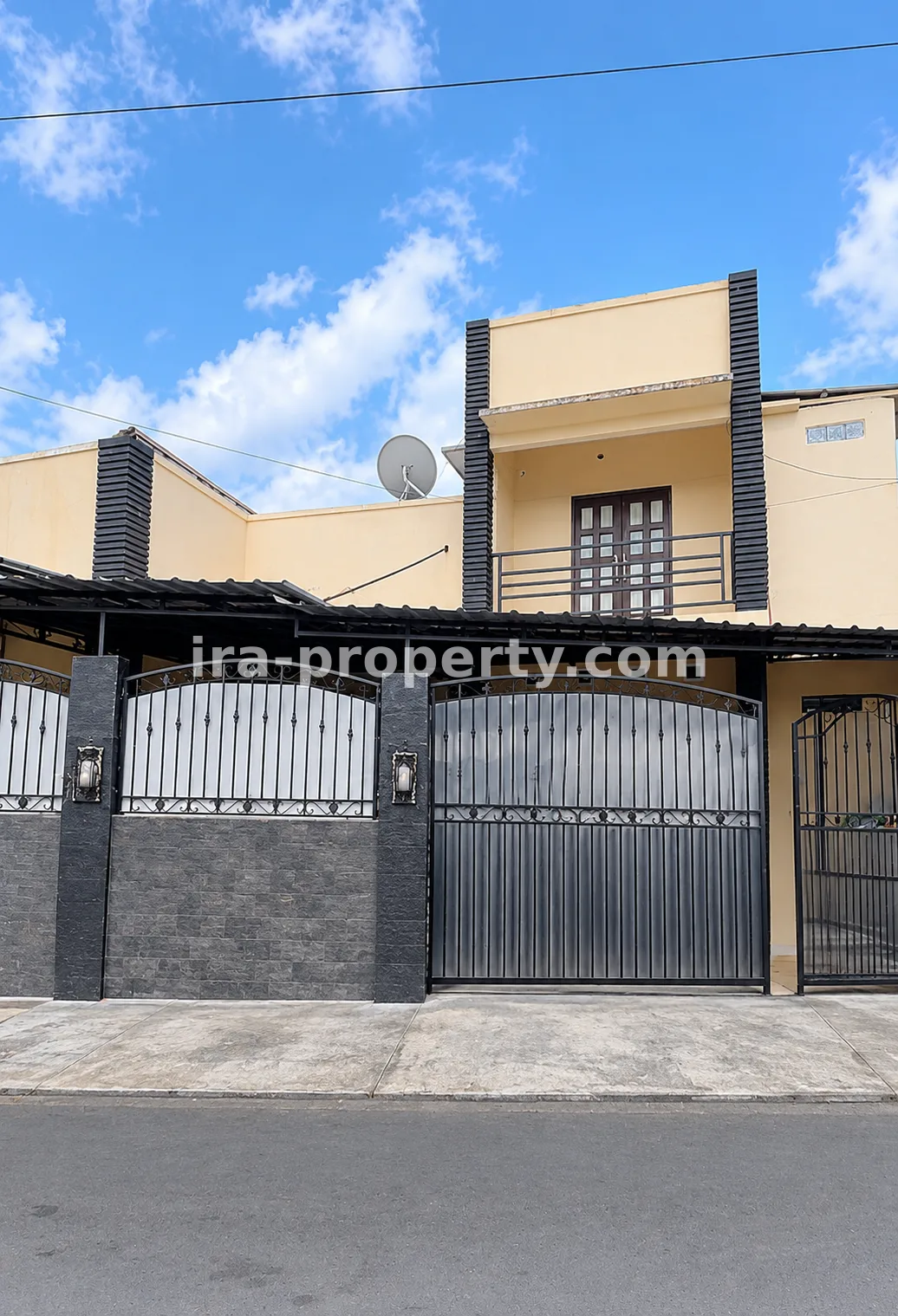 9 photos
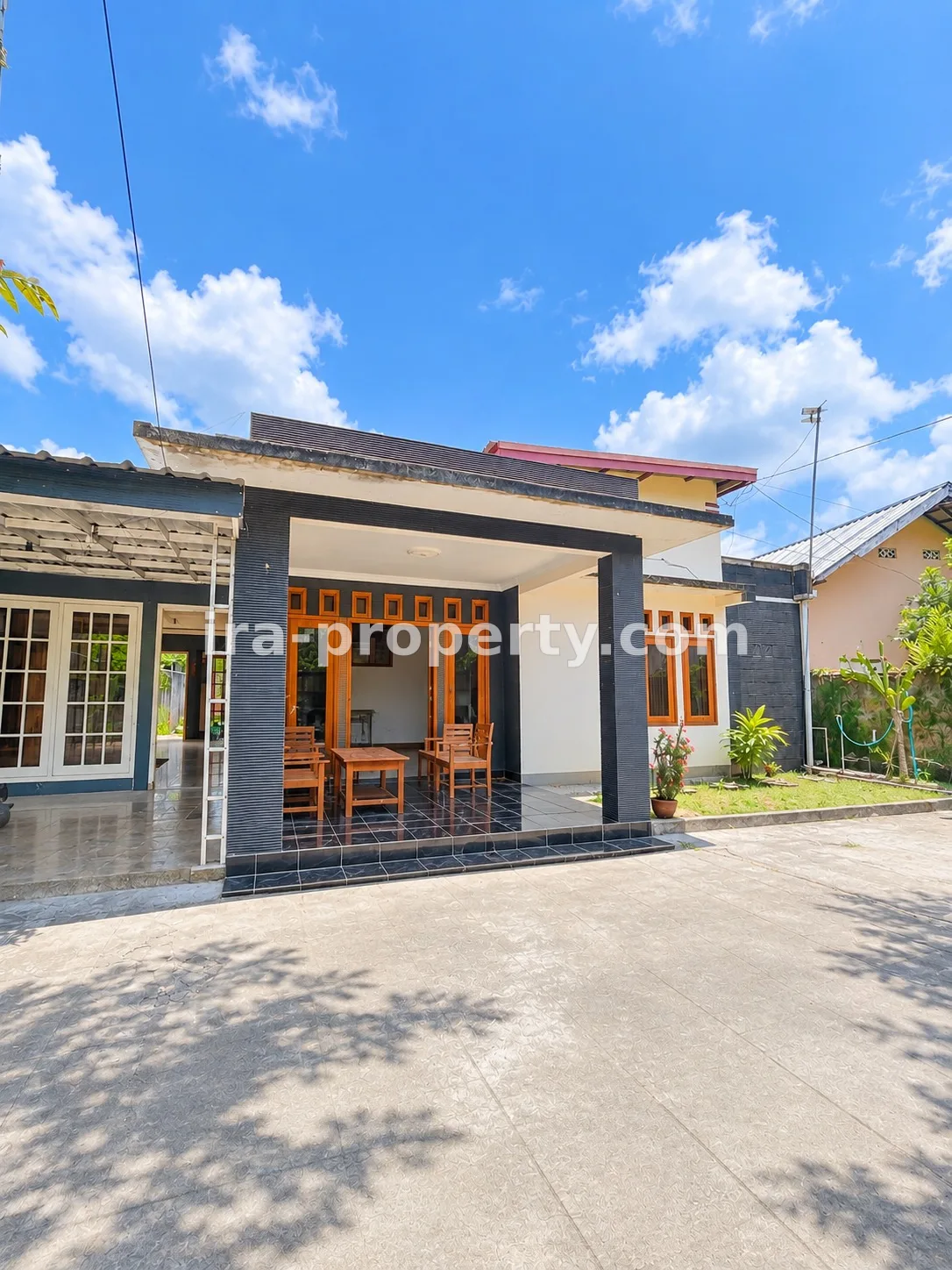 13 photos
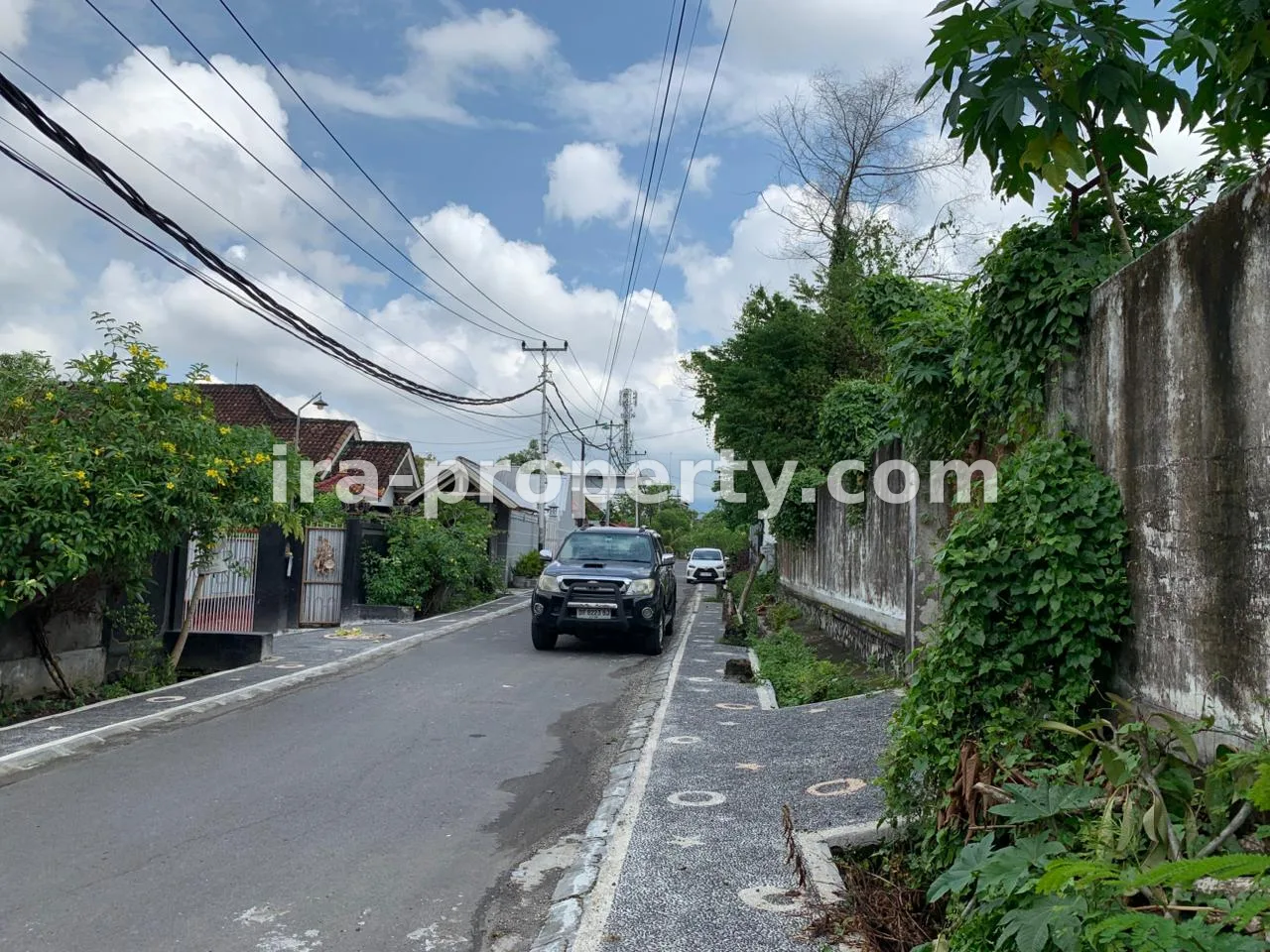 9 photos
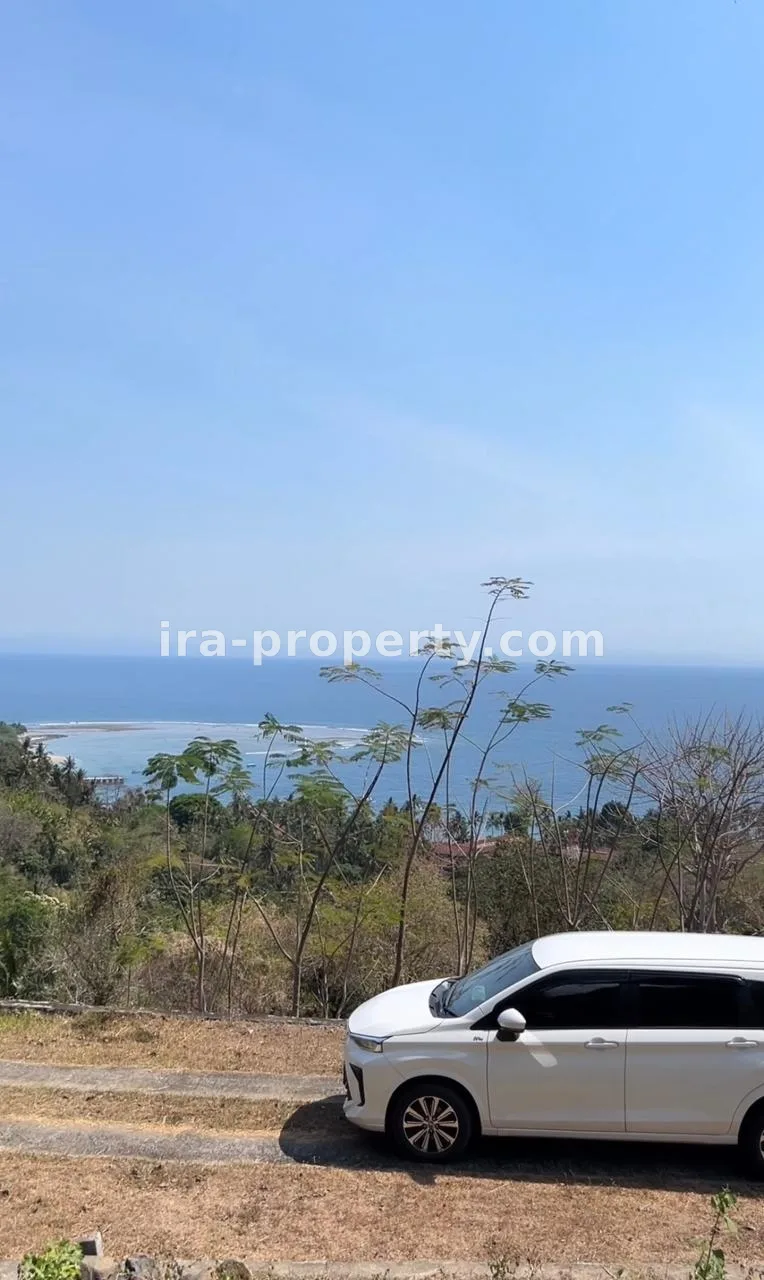 4 photos
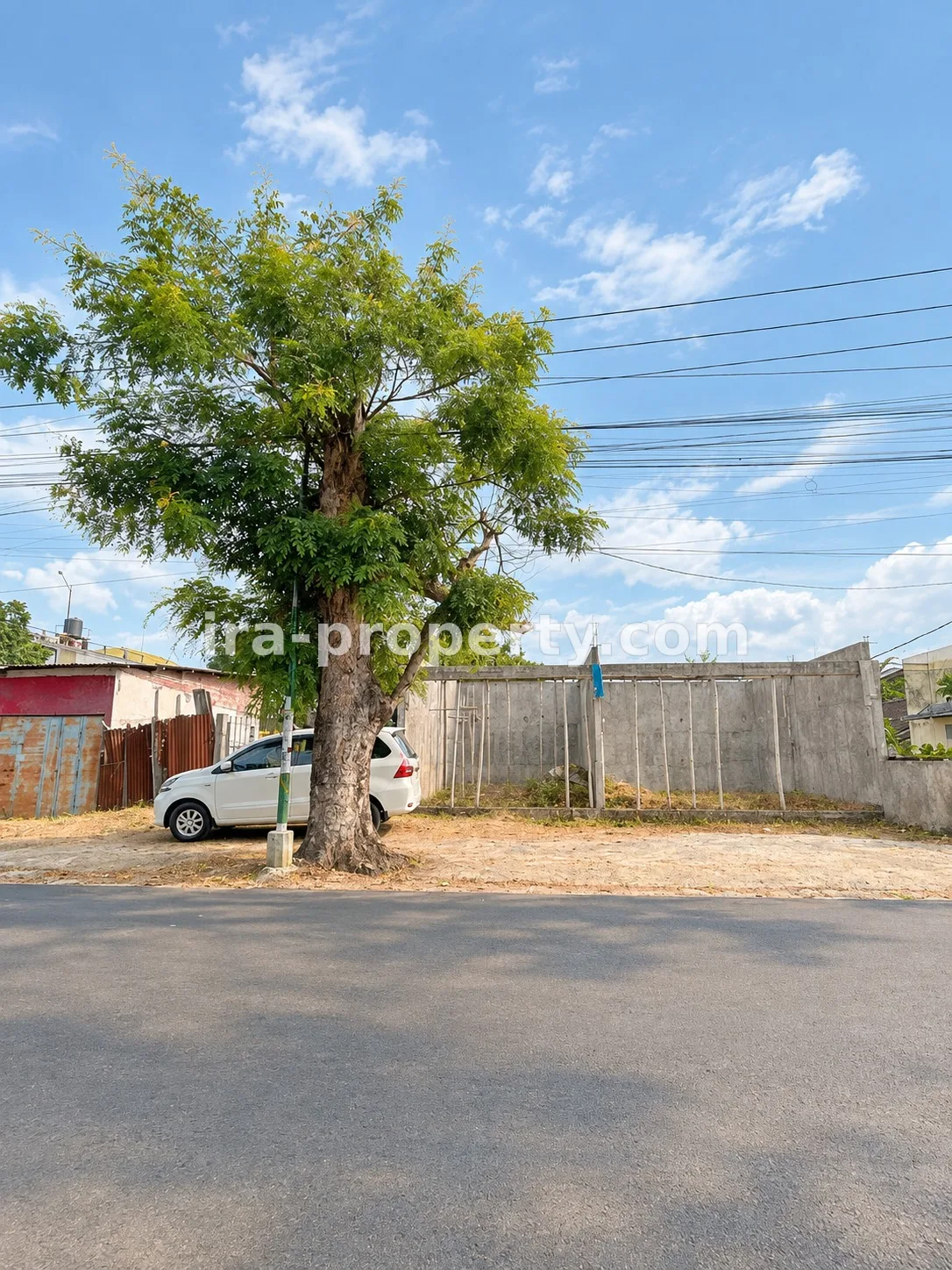
Rp 900 jtRp 200 jt / are
Senggigi
 7 photos
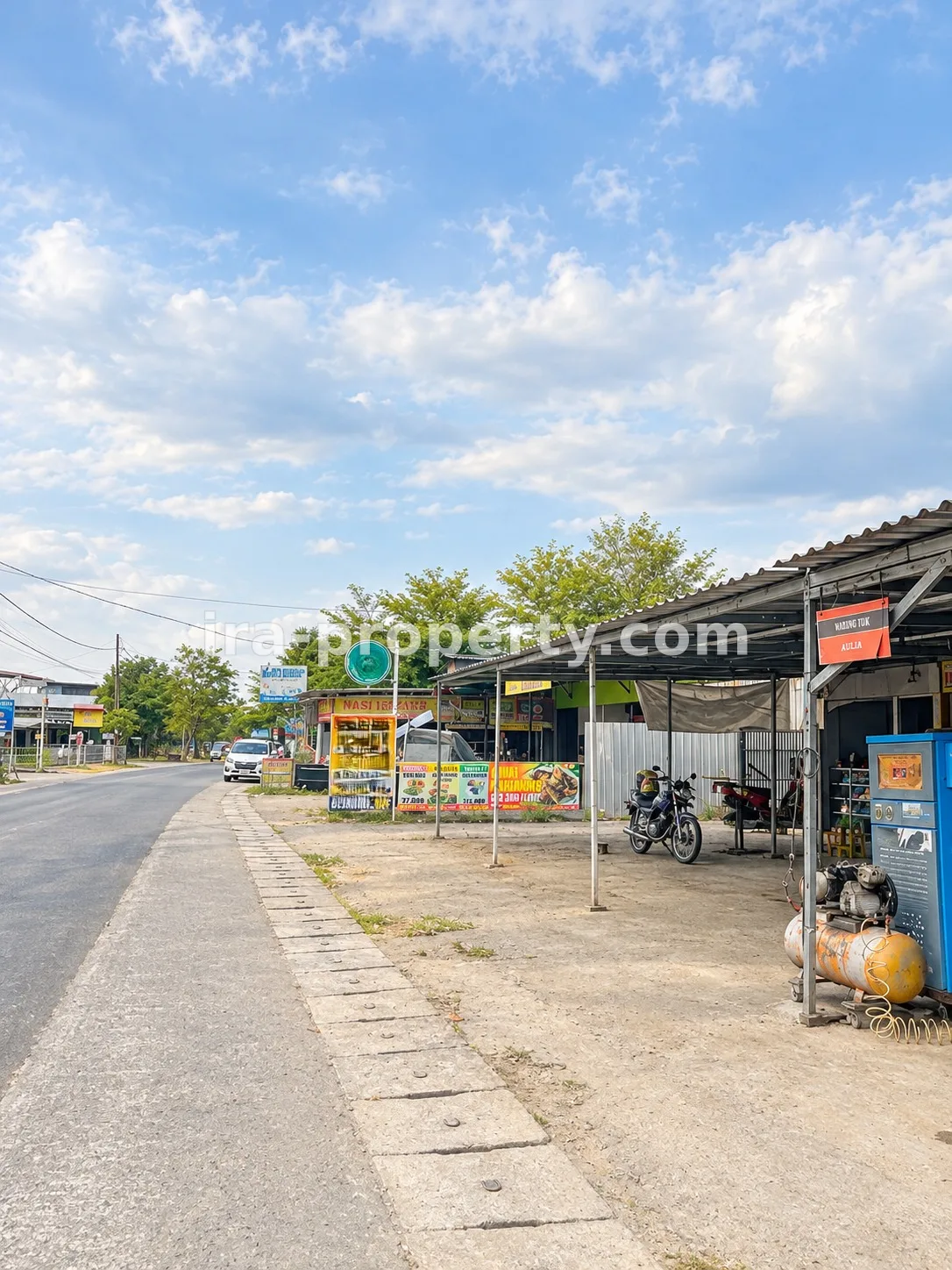
Rp 2,84 MRp 325 jt / are
Mataram City
 5 photos
 19 photos
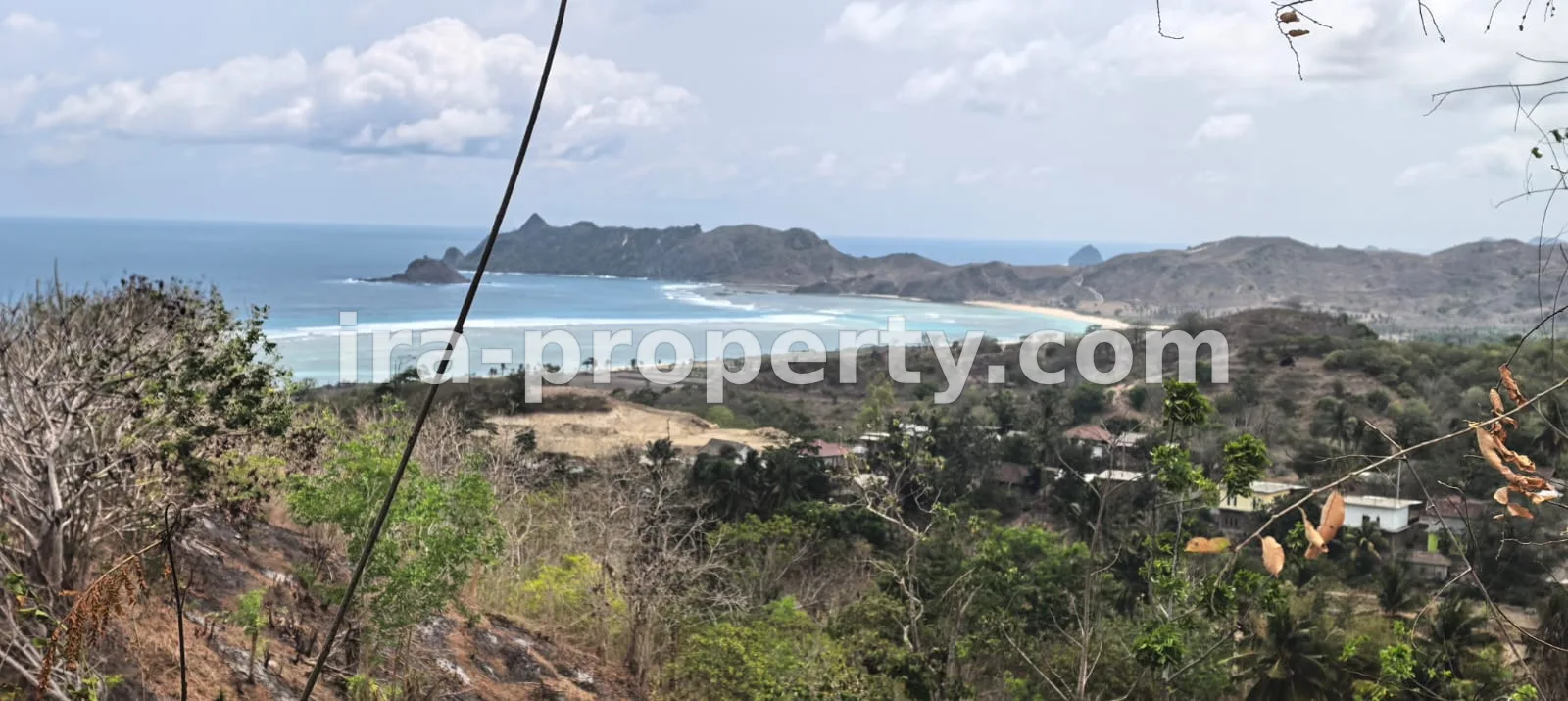
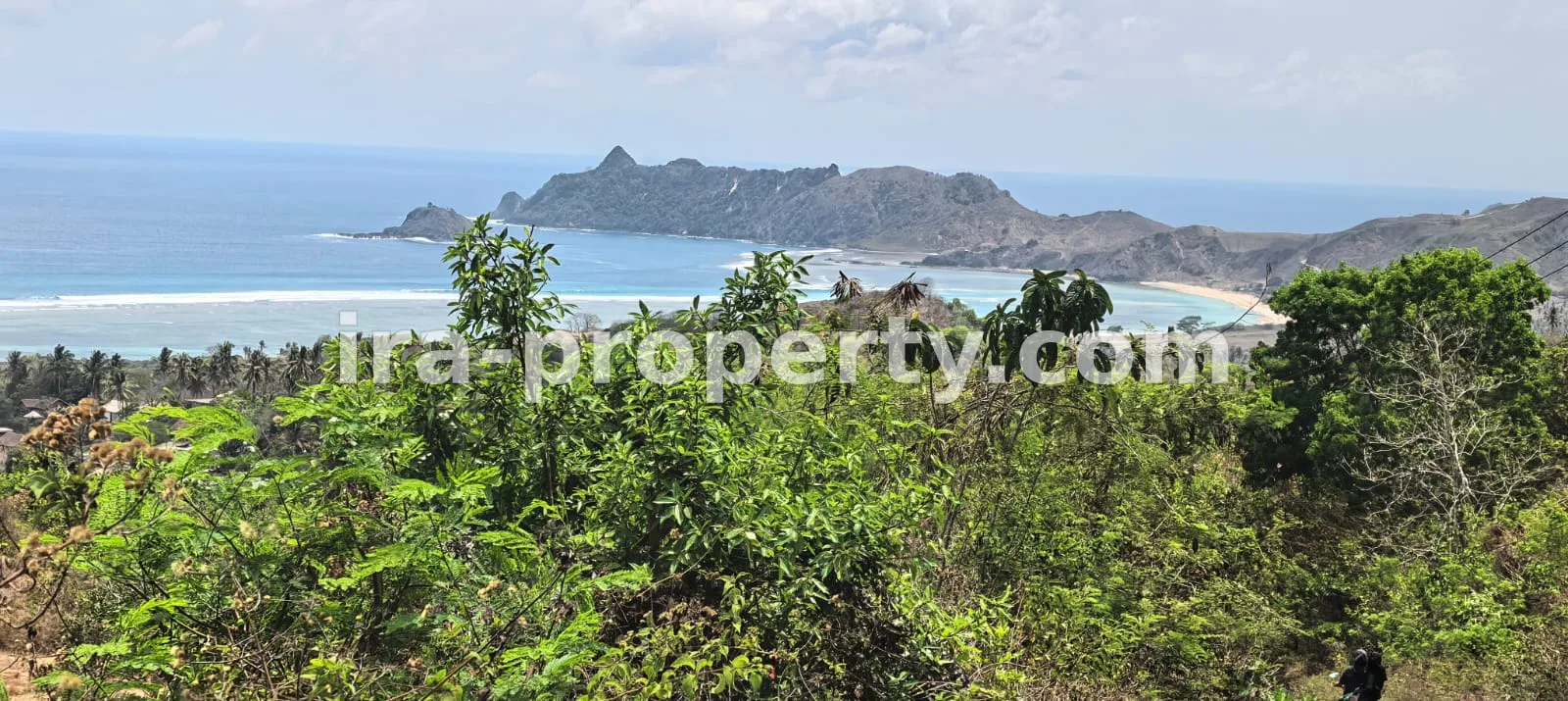
Rp 12 MRp 40 jt / are
Sekotong
 7 photos
Rp 2,8 MRp 40 jt / are
Sekotong
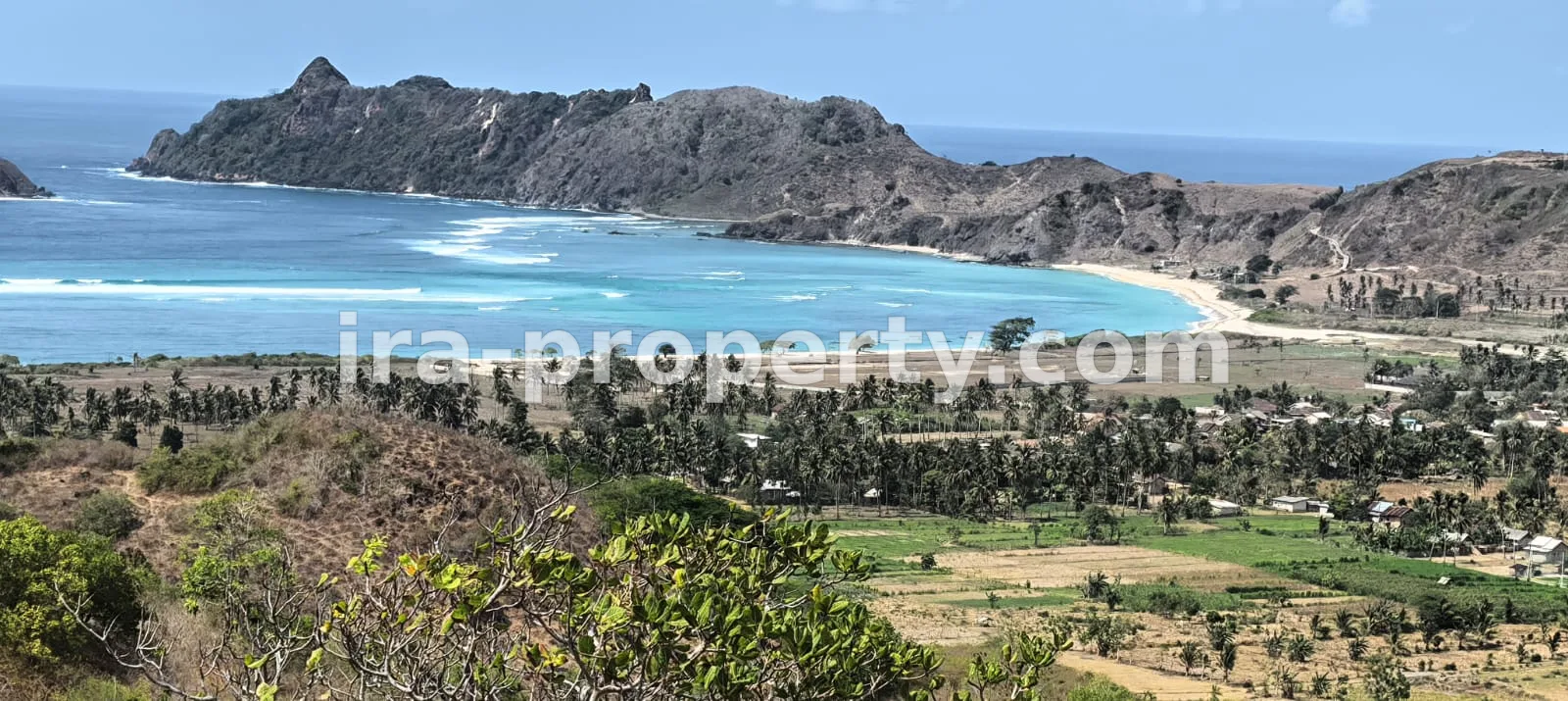 18 photos
Rp 500 jtRp 50 jt / are
Sekotong
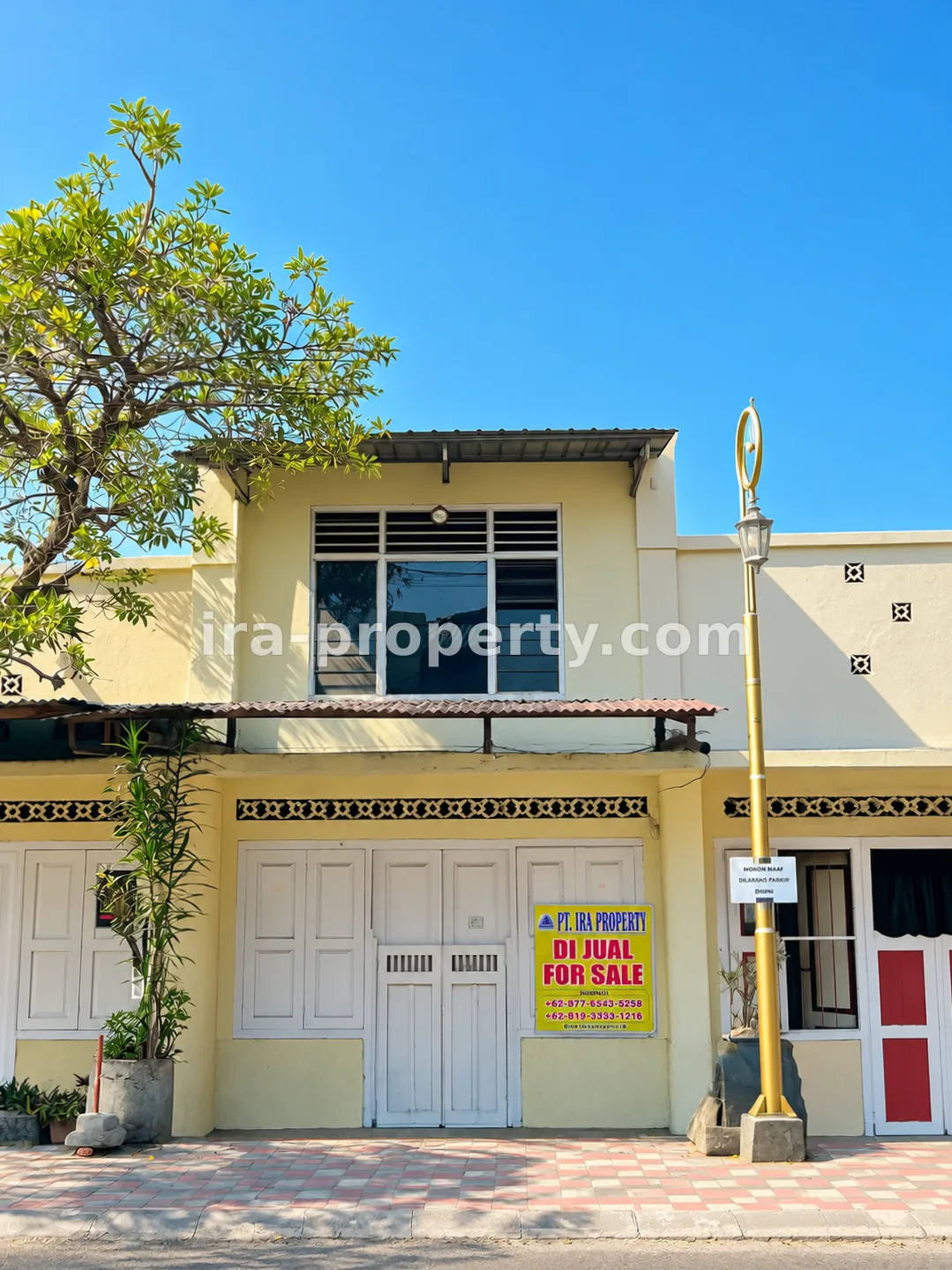 5 photos
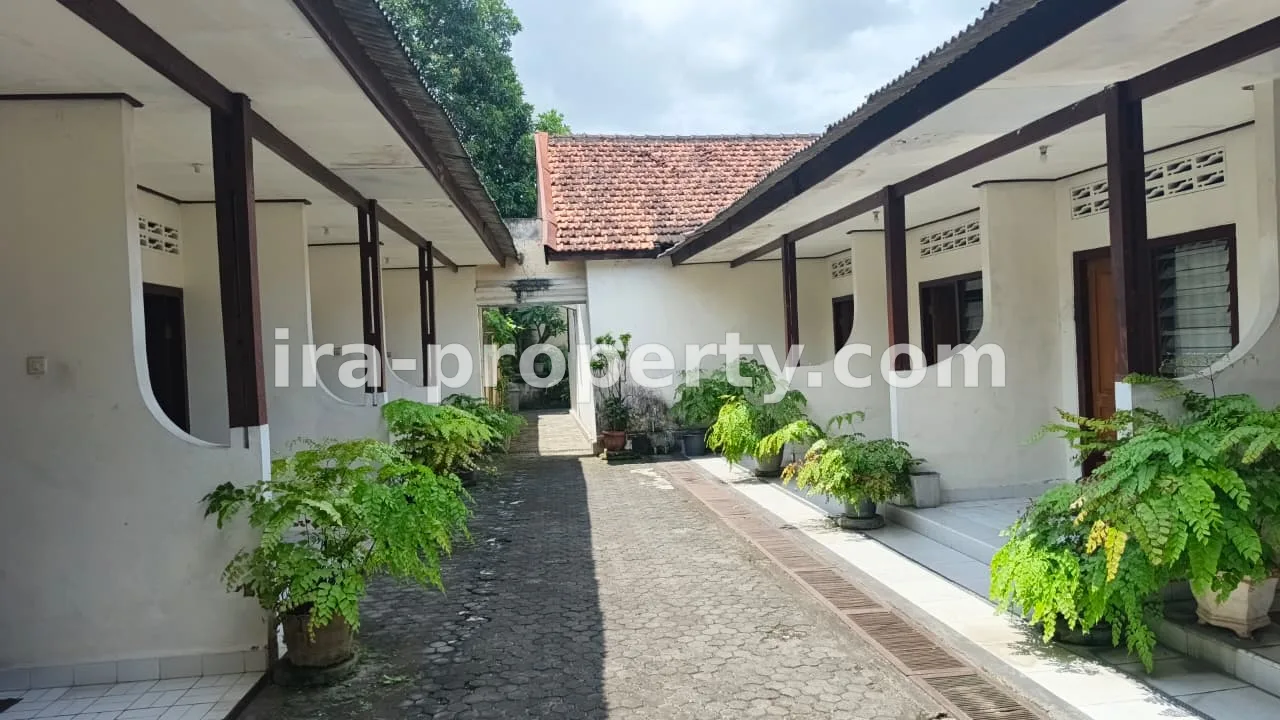 21 photos
You can drive across Lombok in about two hours. Inside that small space sit a working provincial city, a resort coast with forty years of history, a surf shore next to an international airport, a boat harbour serving the Gilis, and the farmland under a live volcano. They share an island and almost nothing else.
That is the single most useful thing to know before you start looking. The region decides what you can do with a property far more than your budget does.
Mataram is the city — offices, hospitals, campuses, wholesale trade. Demand there runs on residents, not visitors, so it is the least seasonal place on the island.
West Lombok holds the original tourism strip along Senggigi and the commuter villages behind it, close enough to the city to work as everyday housing. Central Lombok has the airport, the MotoGP circuit and the southern surf bays, which makes it the strongest short-stay rental market here.
North Lombok is the mainland base for the Gili boats and the quieter coast around Tanjung. East Lombok is Rinjani country: farmland, the volcano, Sembalun, and very little tourism infrastructure so far.
Lombok International Airport sits in the south near Praya, which historically favoured the southern coast and left the west a long transfer away. That gap is narrowing. West Lombok has central government backing for a new jetty at Senggigi and redevelopment of the tourism area, confirmed by the regency government in August 2026, which would change how visitors reach the west coast entirely.
If it is a home, the city and its commuter belt do the job — schools, hospitals and the airport road all reachable in the same day. If it is a business, the south coast and the Senggigi strip carry the visitor demand, with the important caveat that visitor demand has a season and residents do not.
Plenty of buyers end up splitting the difference: live inland, operate on the coast. The island is small enough that this is genuinely practical.
Hak Milik is reserved for Indonesian citizens. Foreign buyers hold Hak Pakai, a notarised long lease, or HGB through a PT PMA, and the right choice depends on whether you intend to live in it, let it, or build something commercial. Settle that with an independent notary before agreeing a price. Nominee arrangements are still offered here and Indonesian courts have voided them before.