
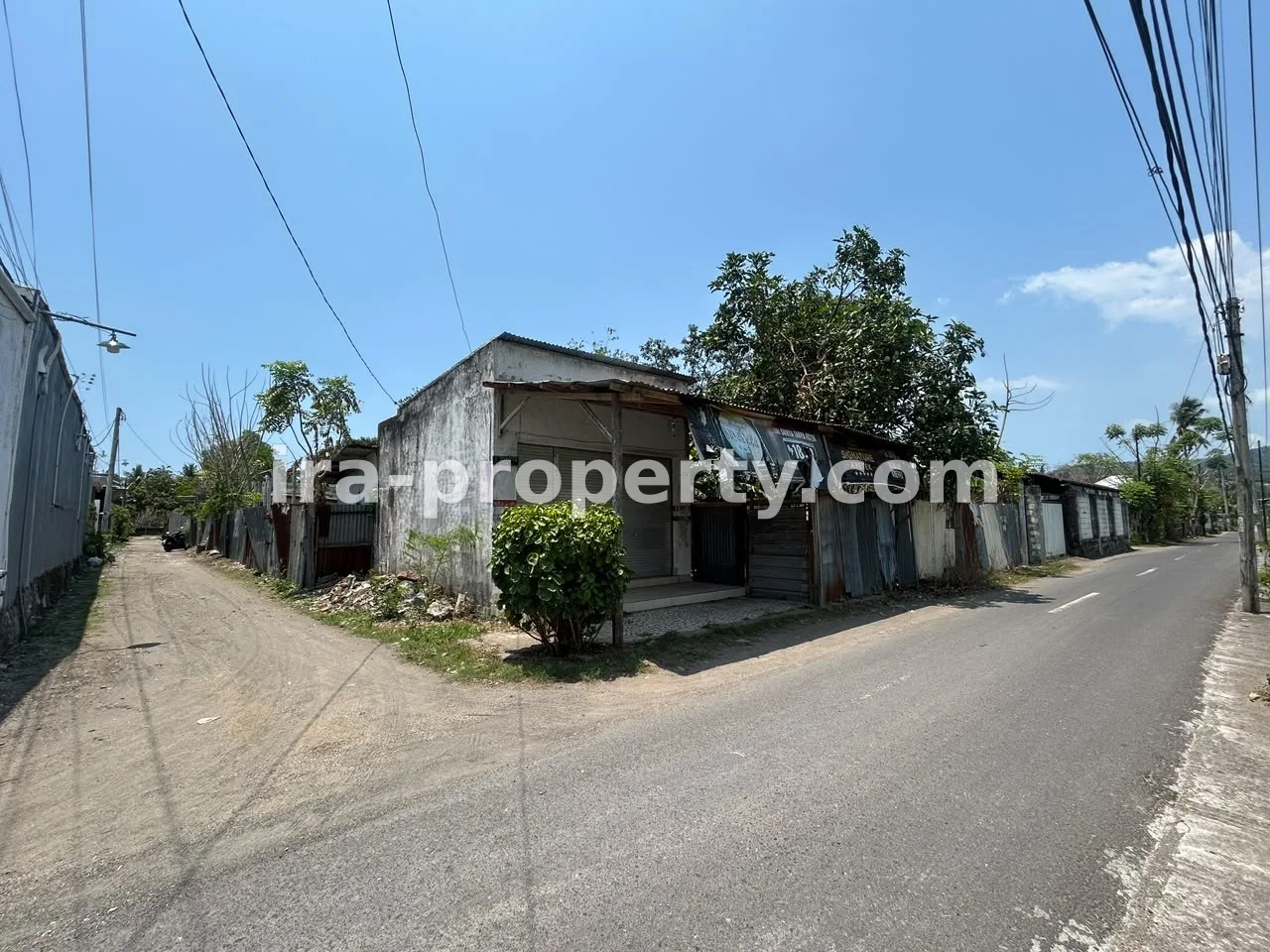
 7 photos
Rp 1,05 M
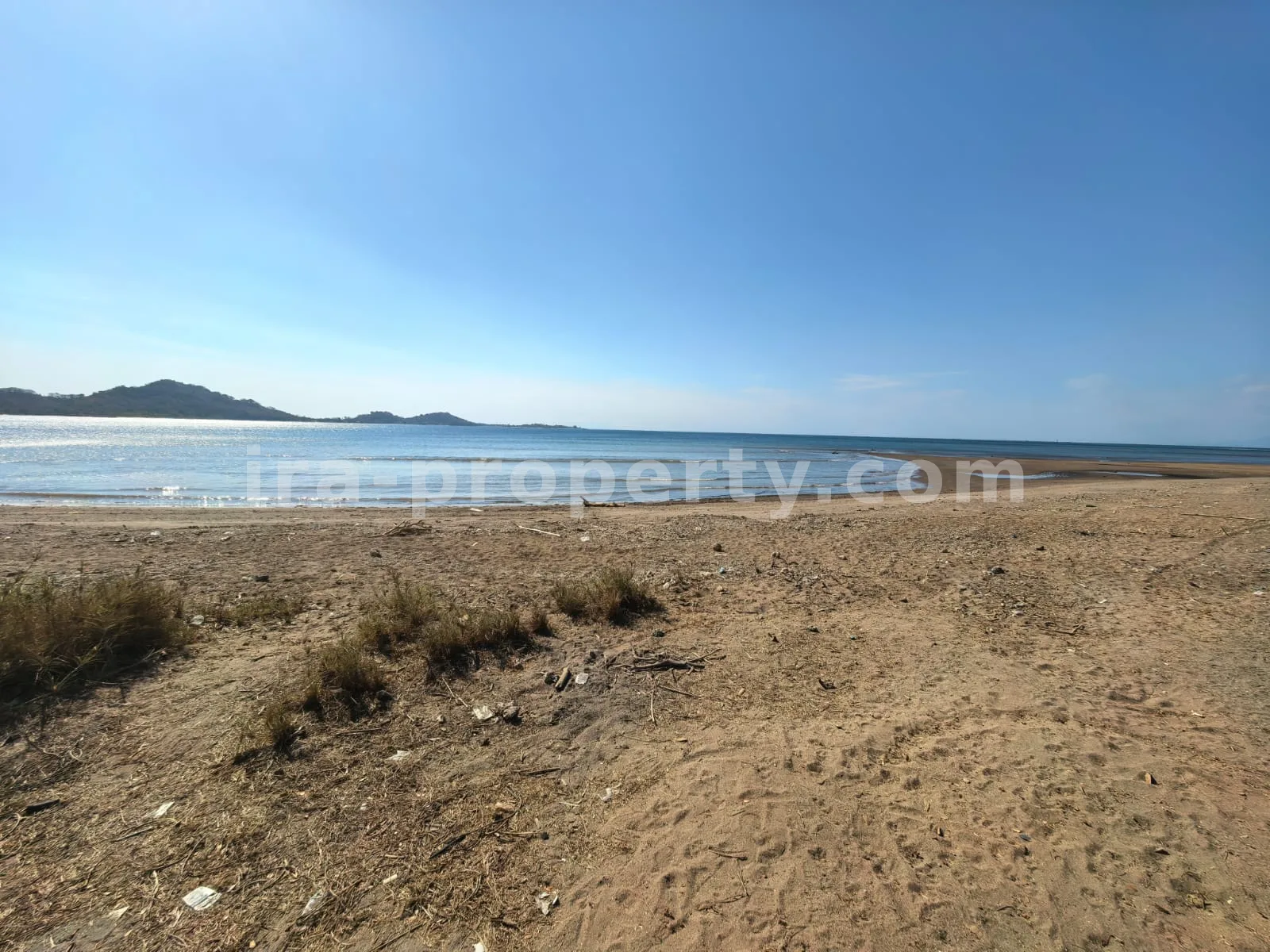
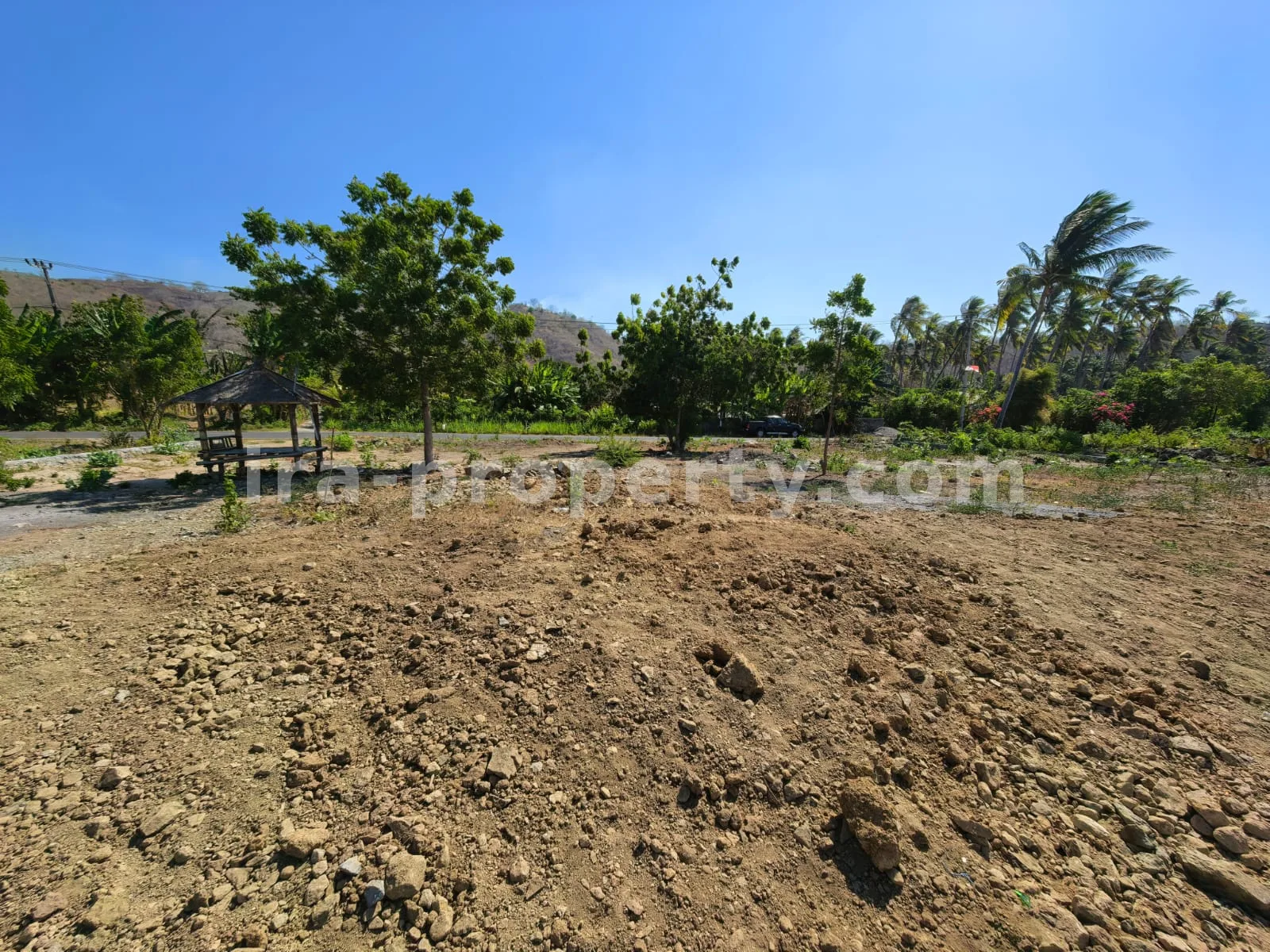
Land in Batu layar is suitable for villas near Jayakarta hotel
West Lombok Area
- 600 m²
Code 415WhatsApp
Showing 1–18 of 153 properties · median Rp 100 million per are · page 1 of 9
7 photosRp 1,05 M
West Lombok Area
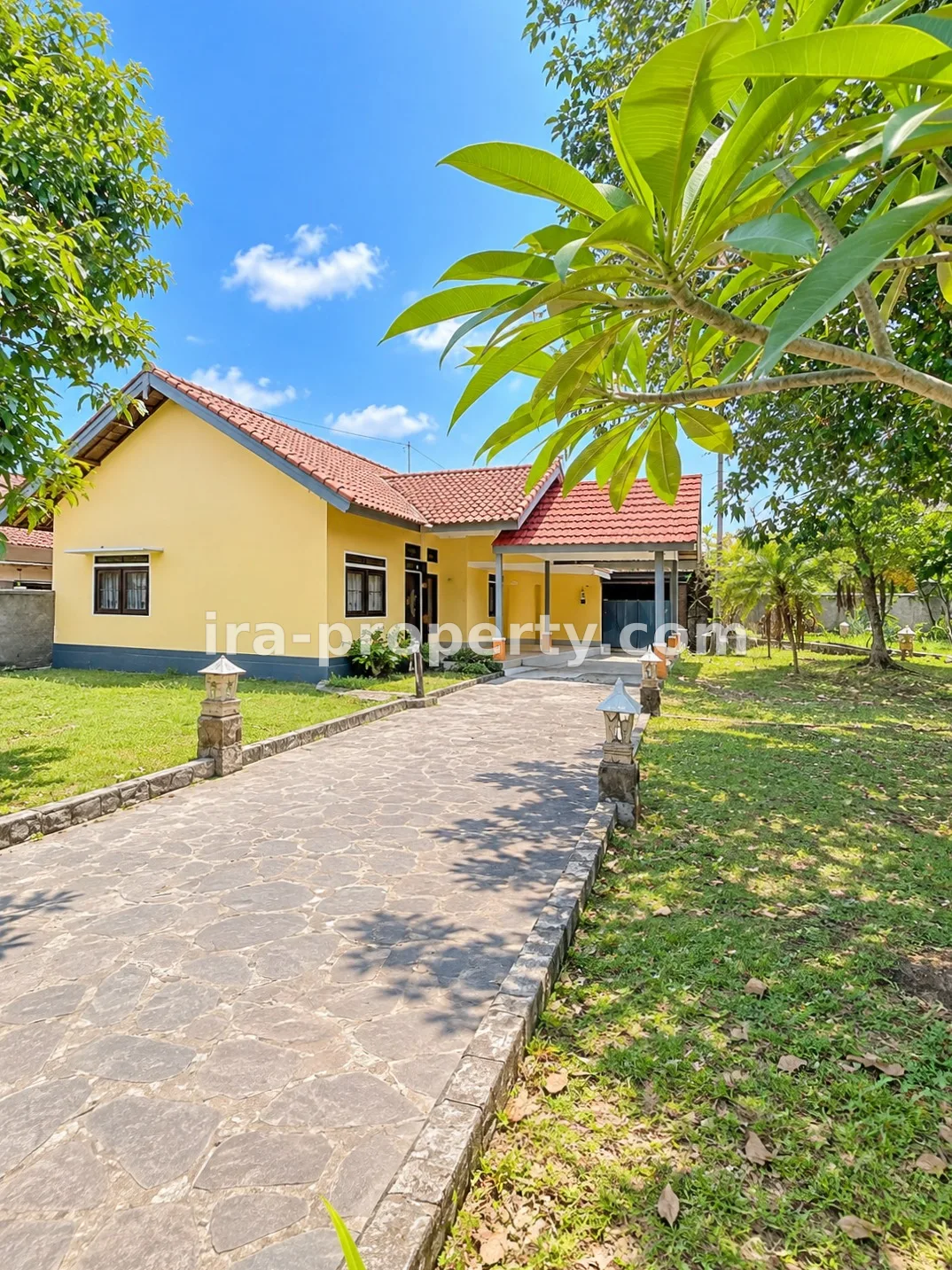 21 photos
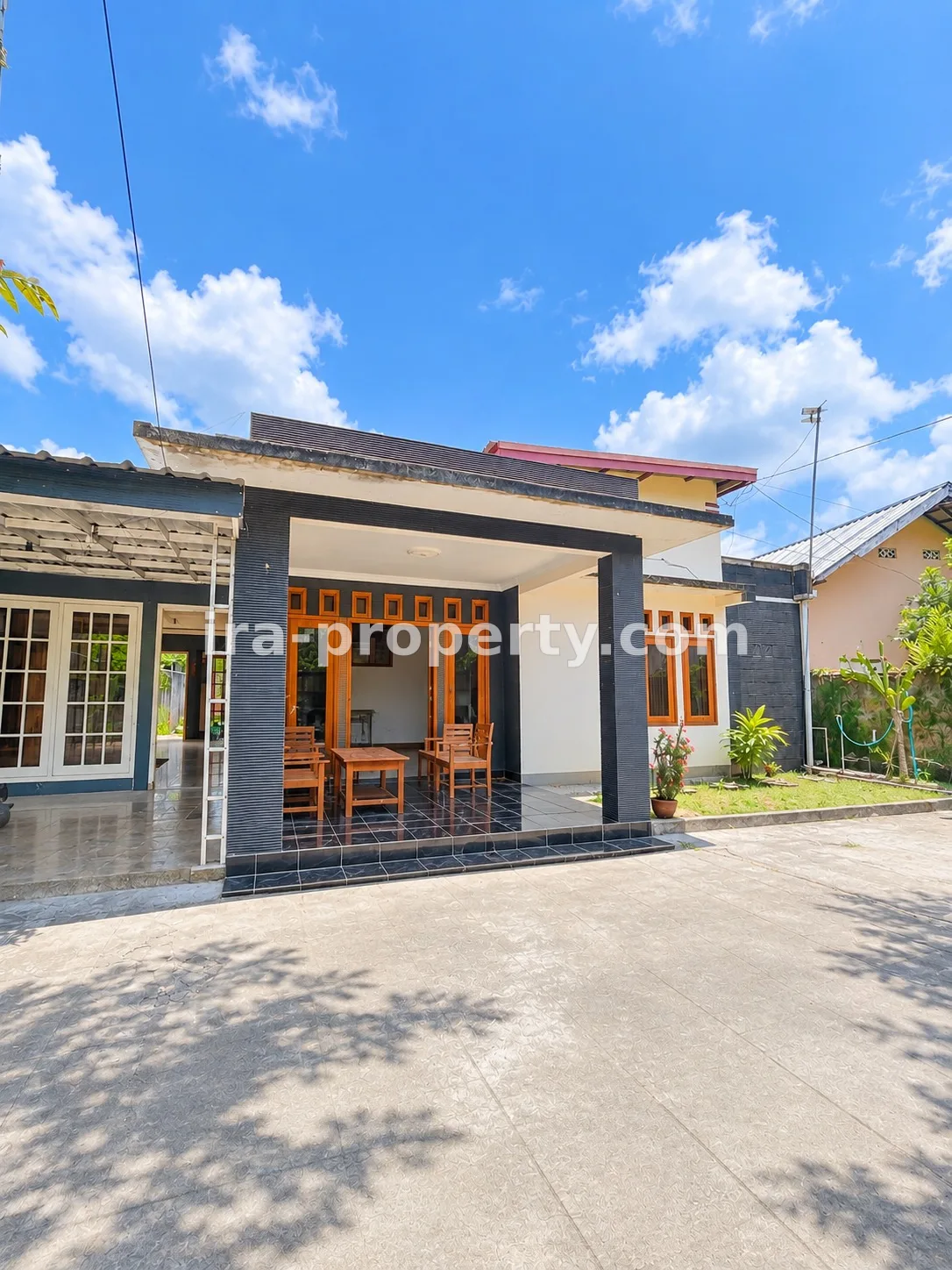 13 photos
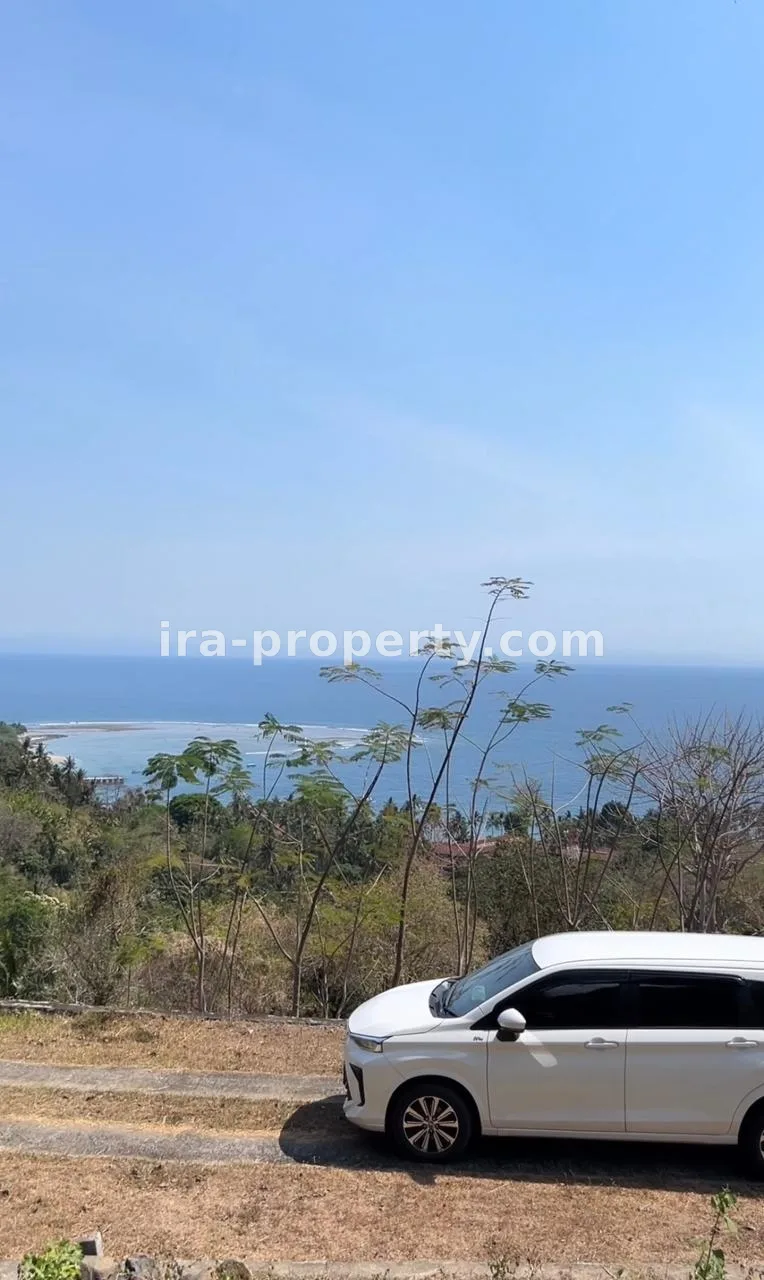 4 photos
Rp 900 jtRp 200 jt / are
Senggigi
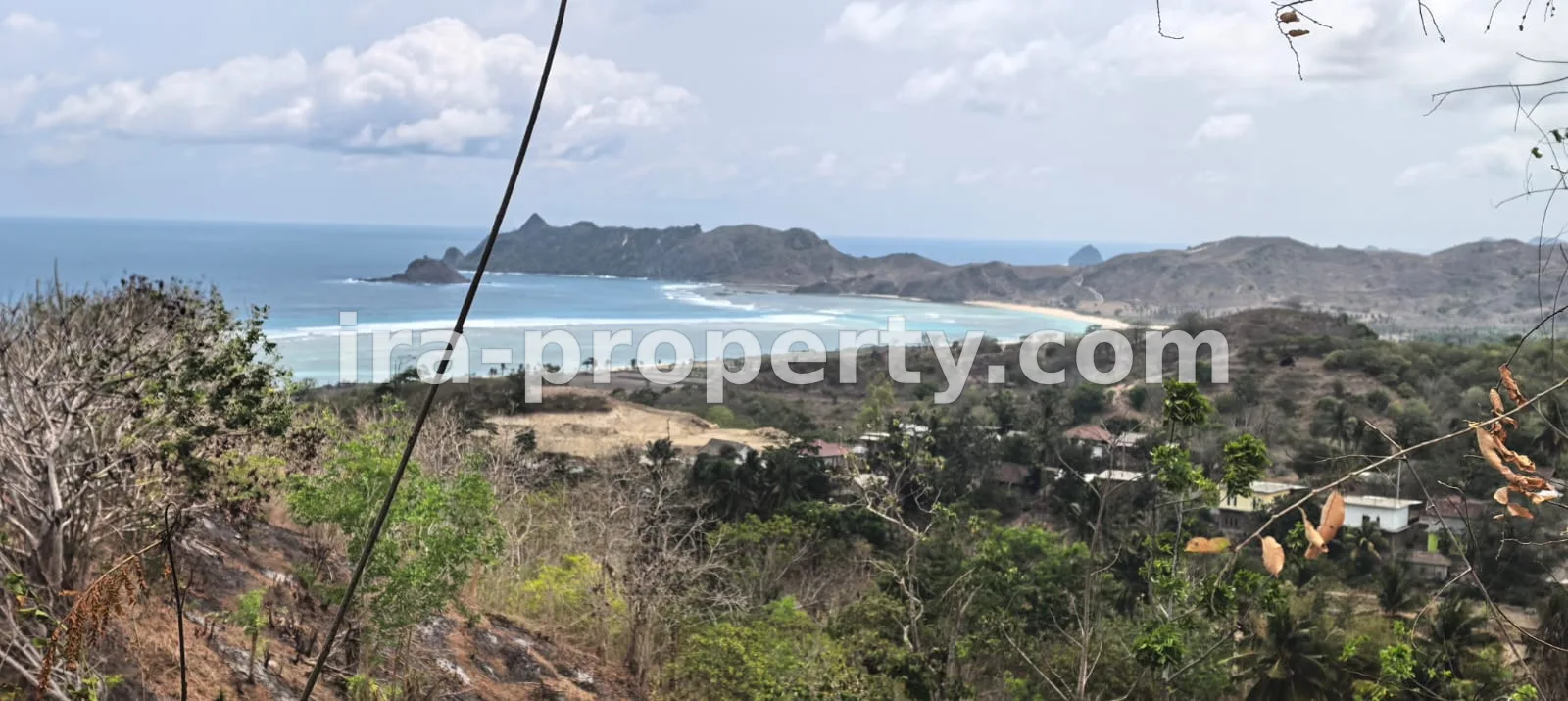 19 photos
Rp 12 MRp 40 jt / are
Sekotong
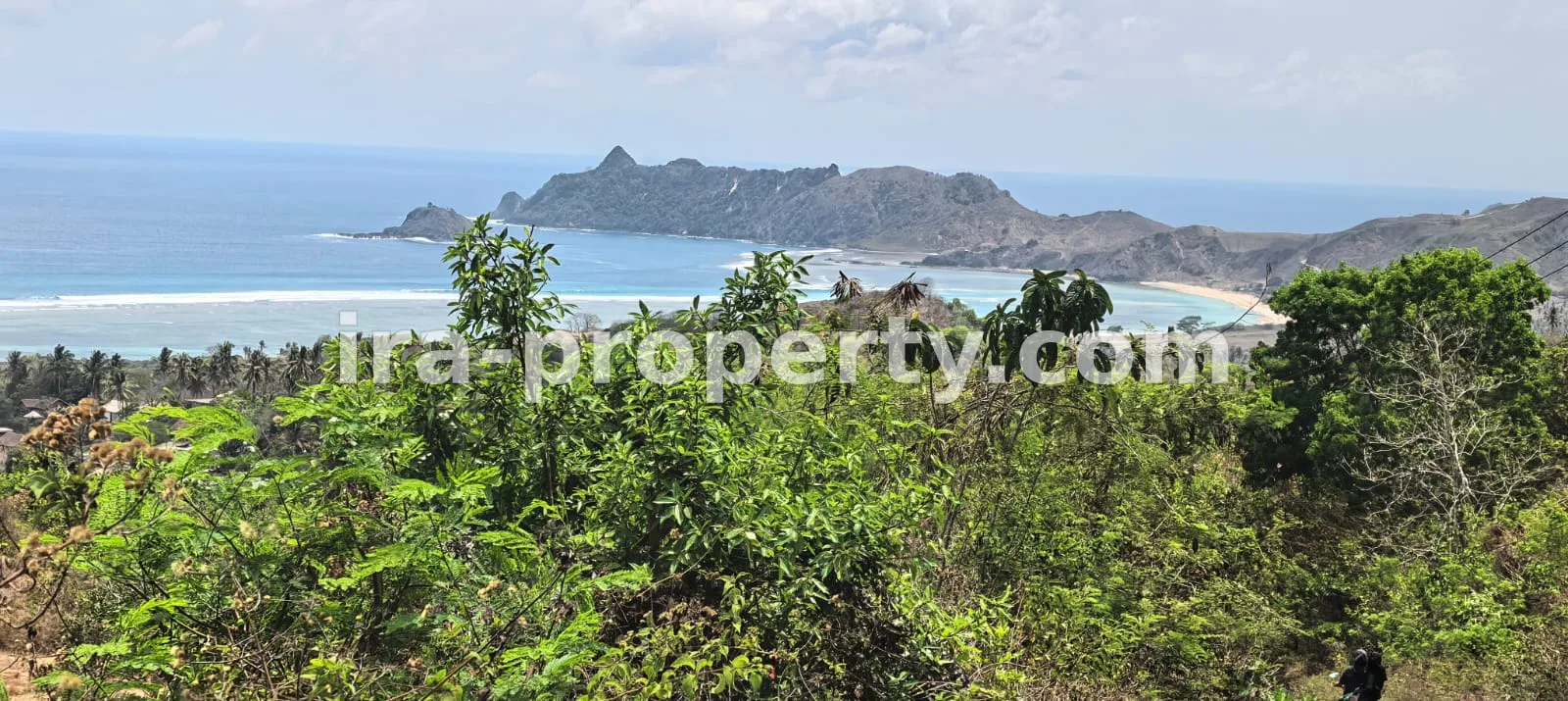 7 photos
Rp 2,8 MRp 40 jt / are
Sekotong
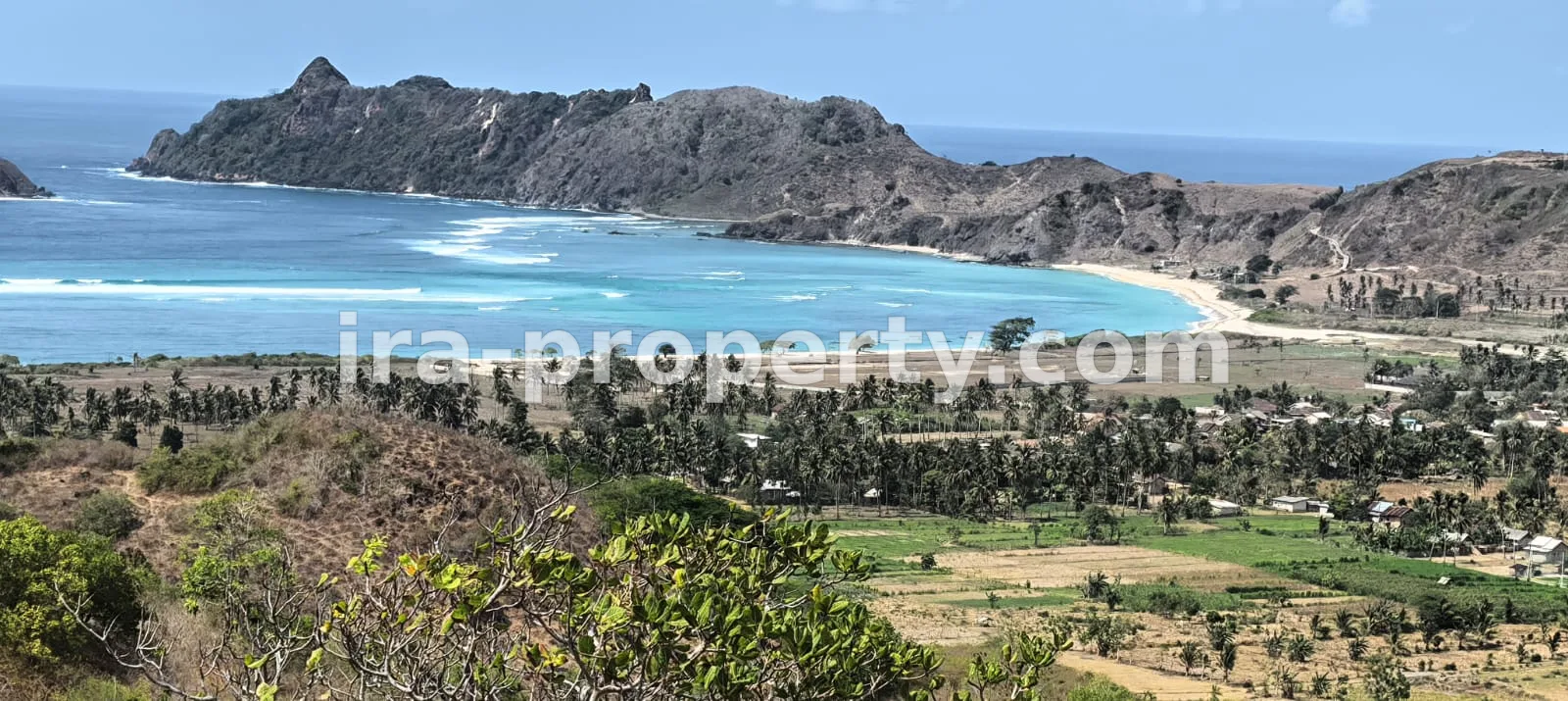 18 photos
Rp 500 jtRp 50 jt / are
Sekotong
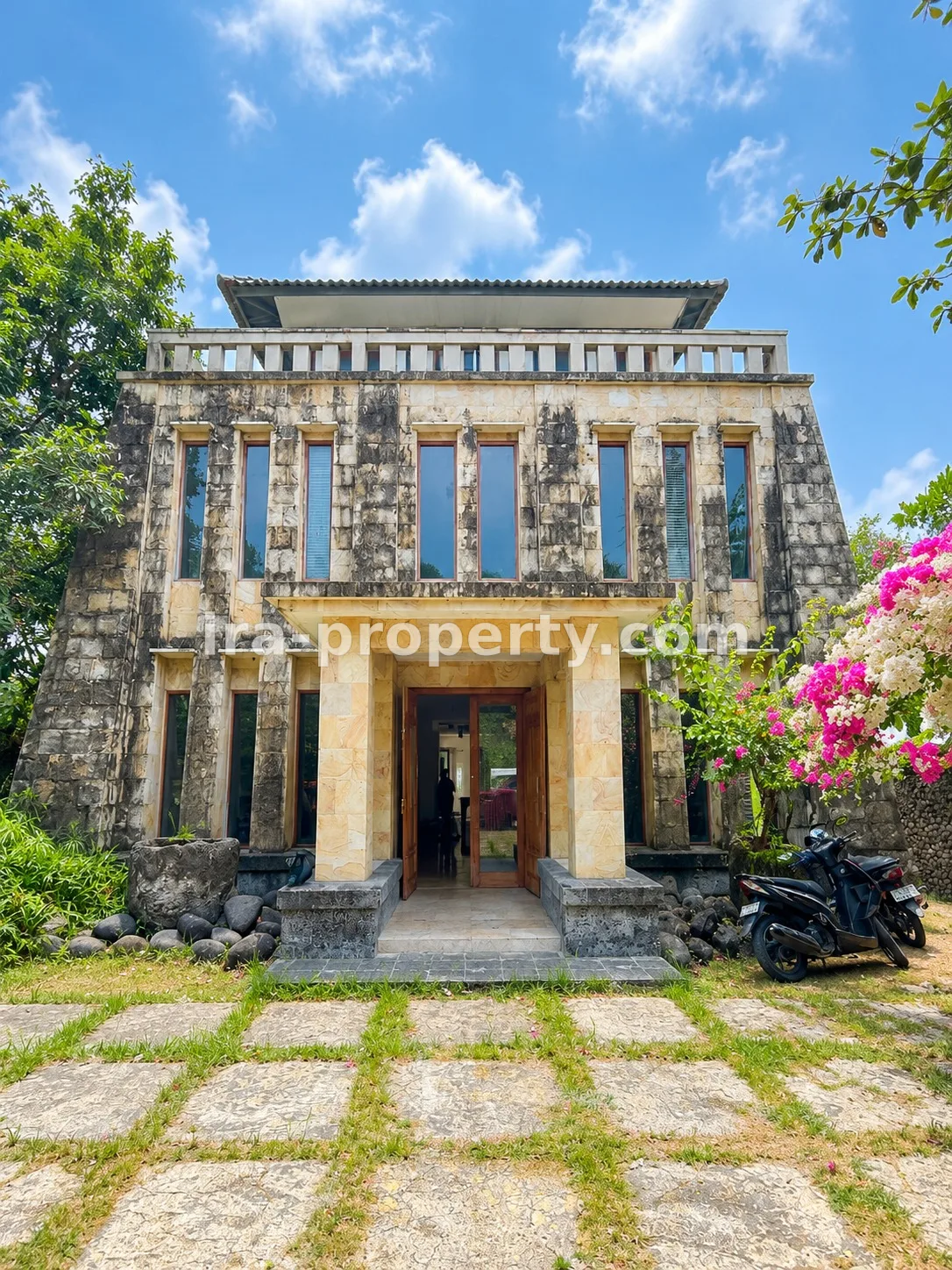 15 photos
Rp 3,1 M
Batu Layar
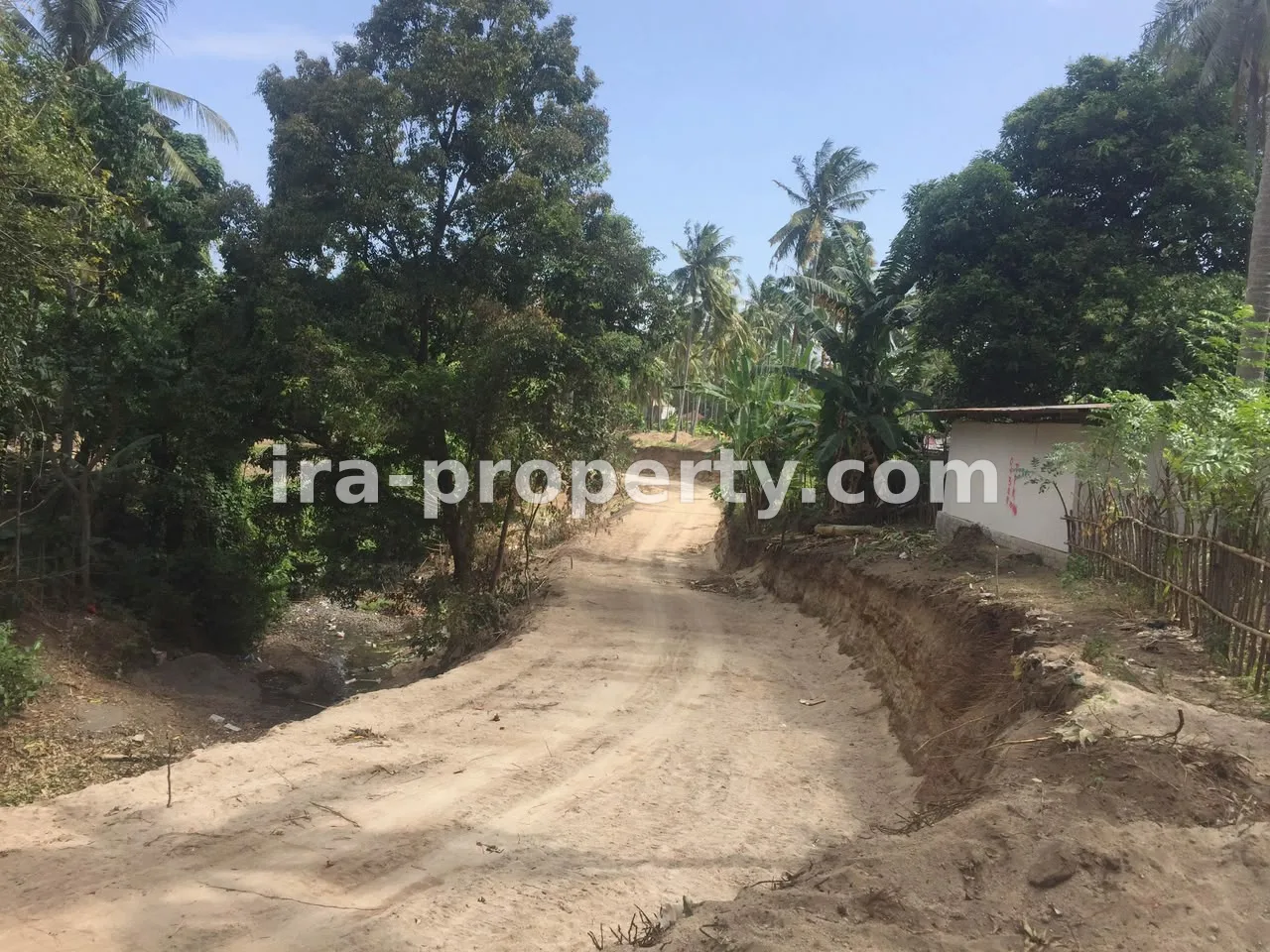 7 photos
Rp 14,42 MRp 130 jt / are
Batu Layar
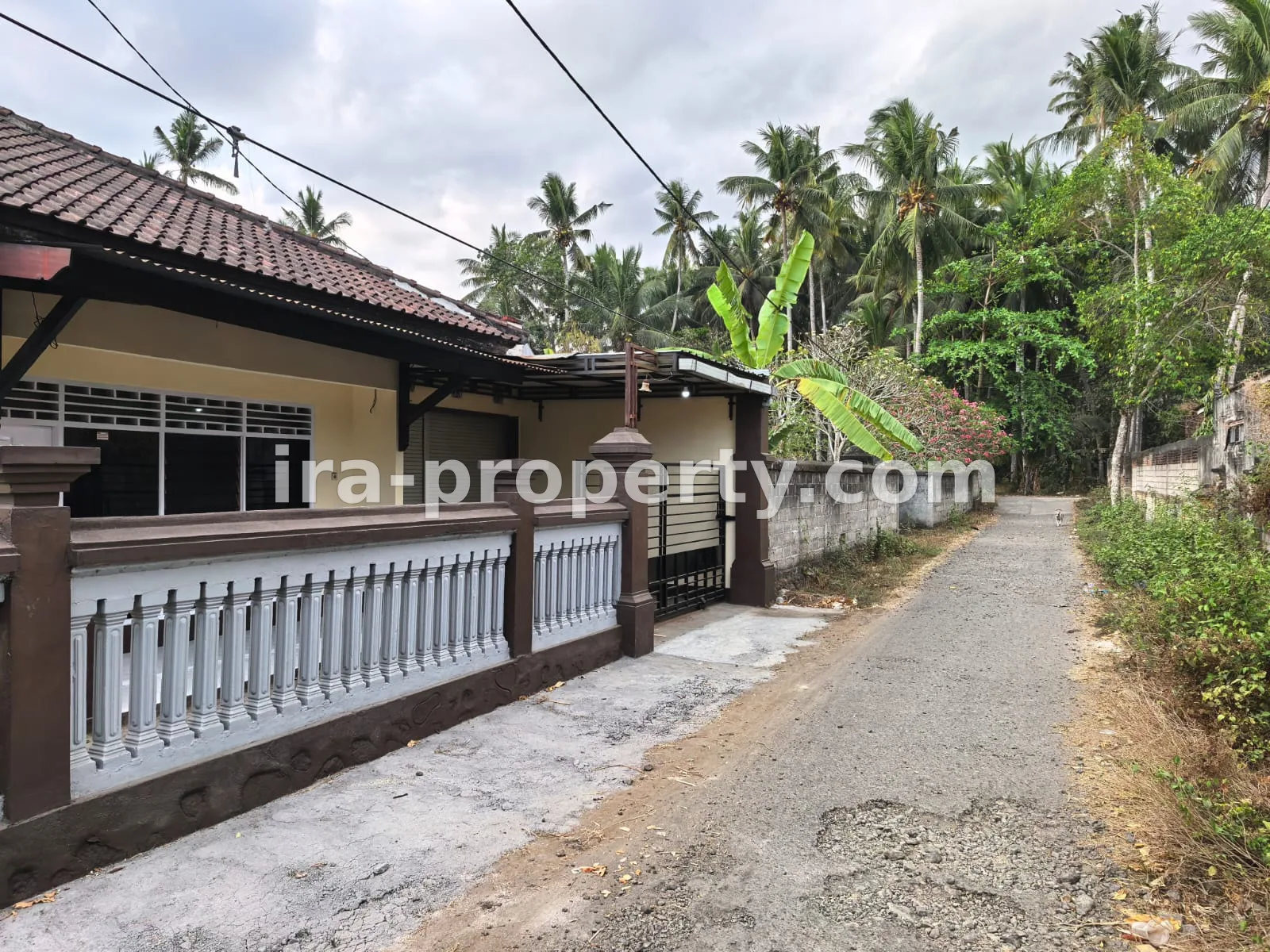 5 photos
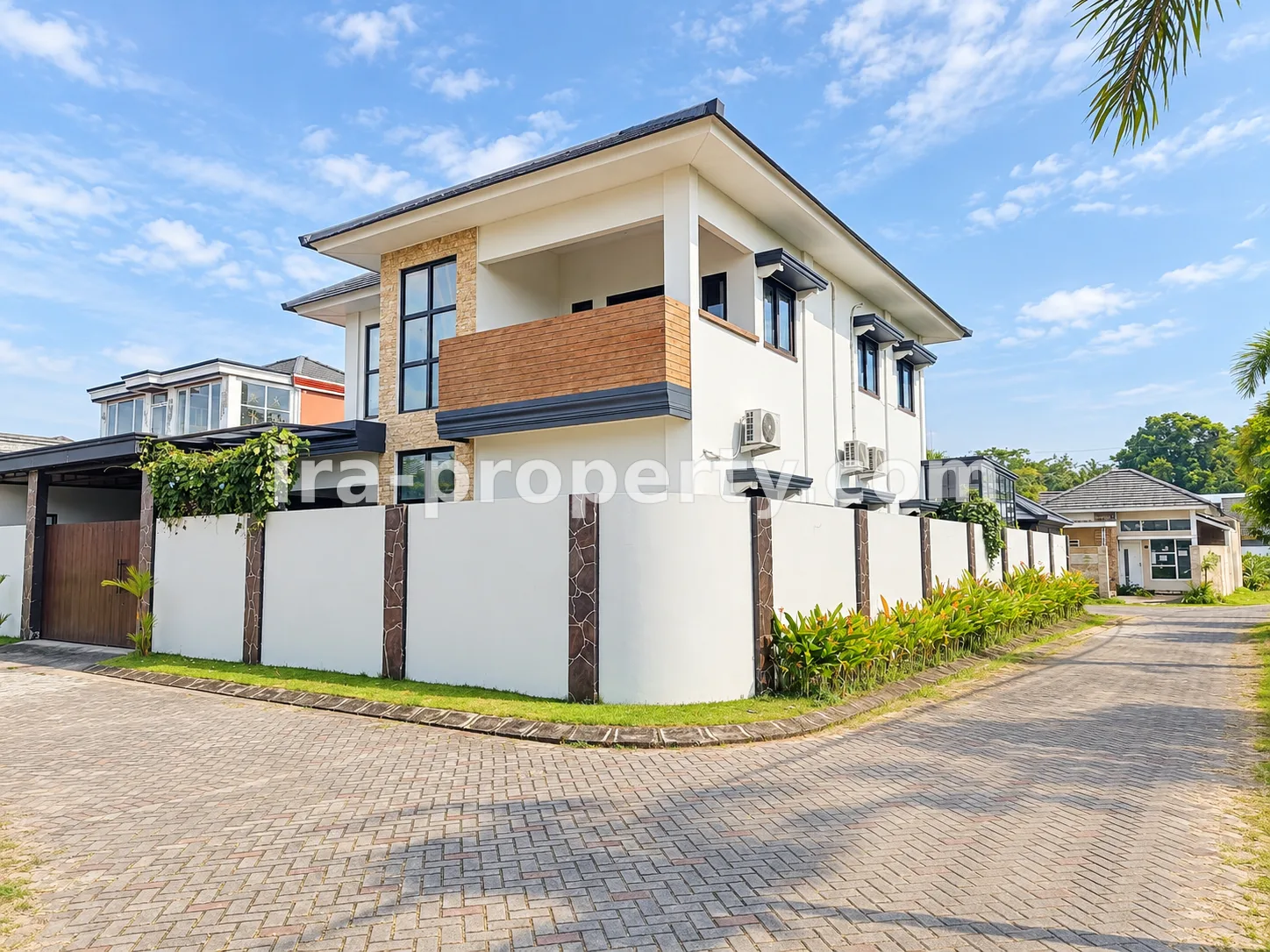 7 photos
Rp 2,9 M
Batu Layar
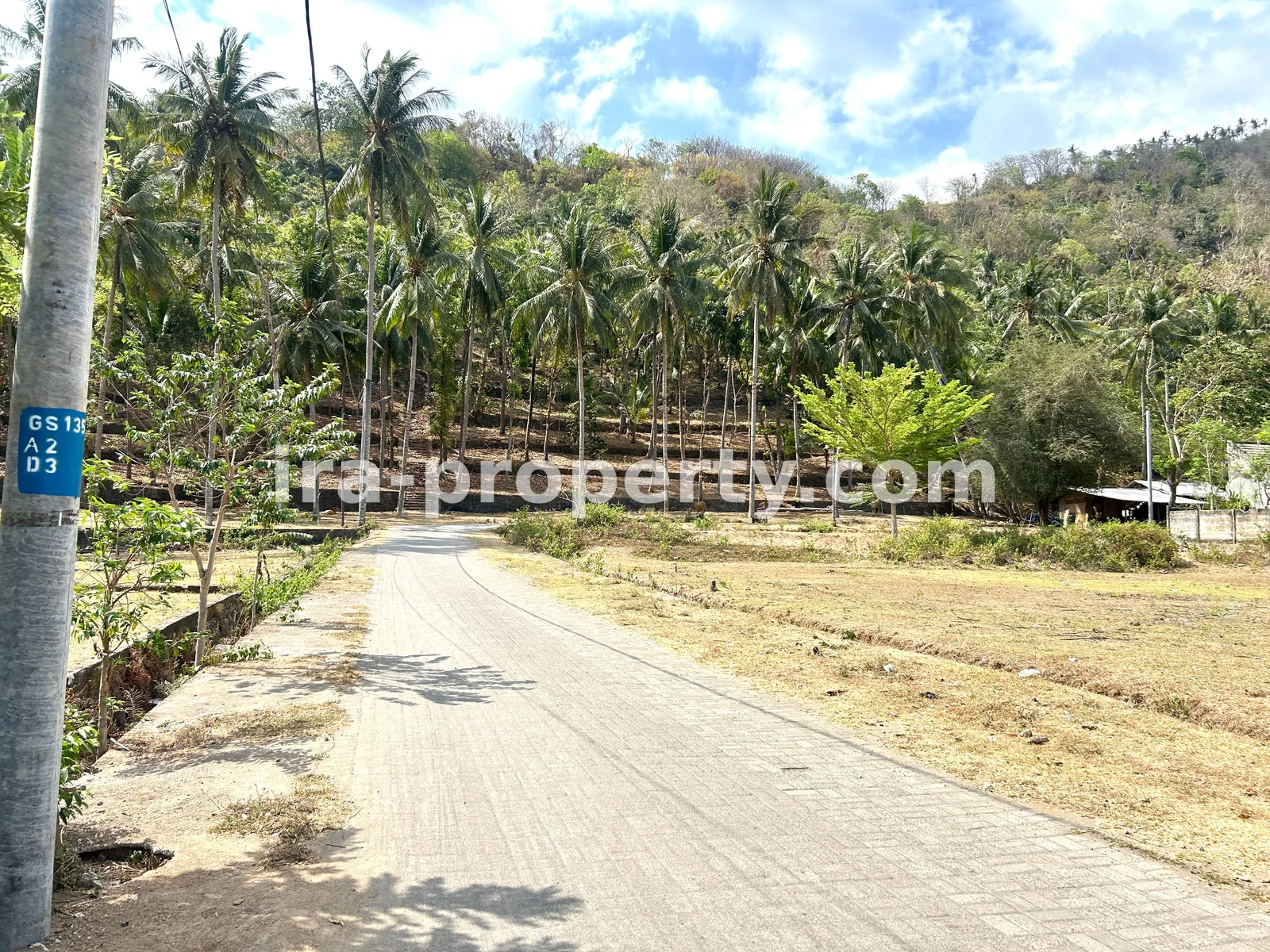 8 photos
 8 photos
Rp 24 MRp 150 jt / are
Sekotong
 8 photos
Rp 1,72 MRp 150 jt / are
Sekotong
 13 photos
 13 photos
Rp 1,6 M
West Lombok Area
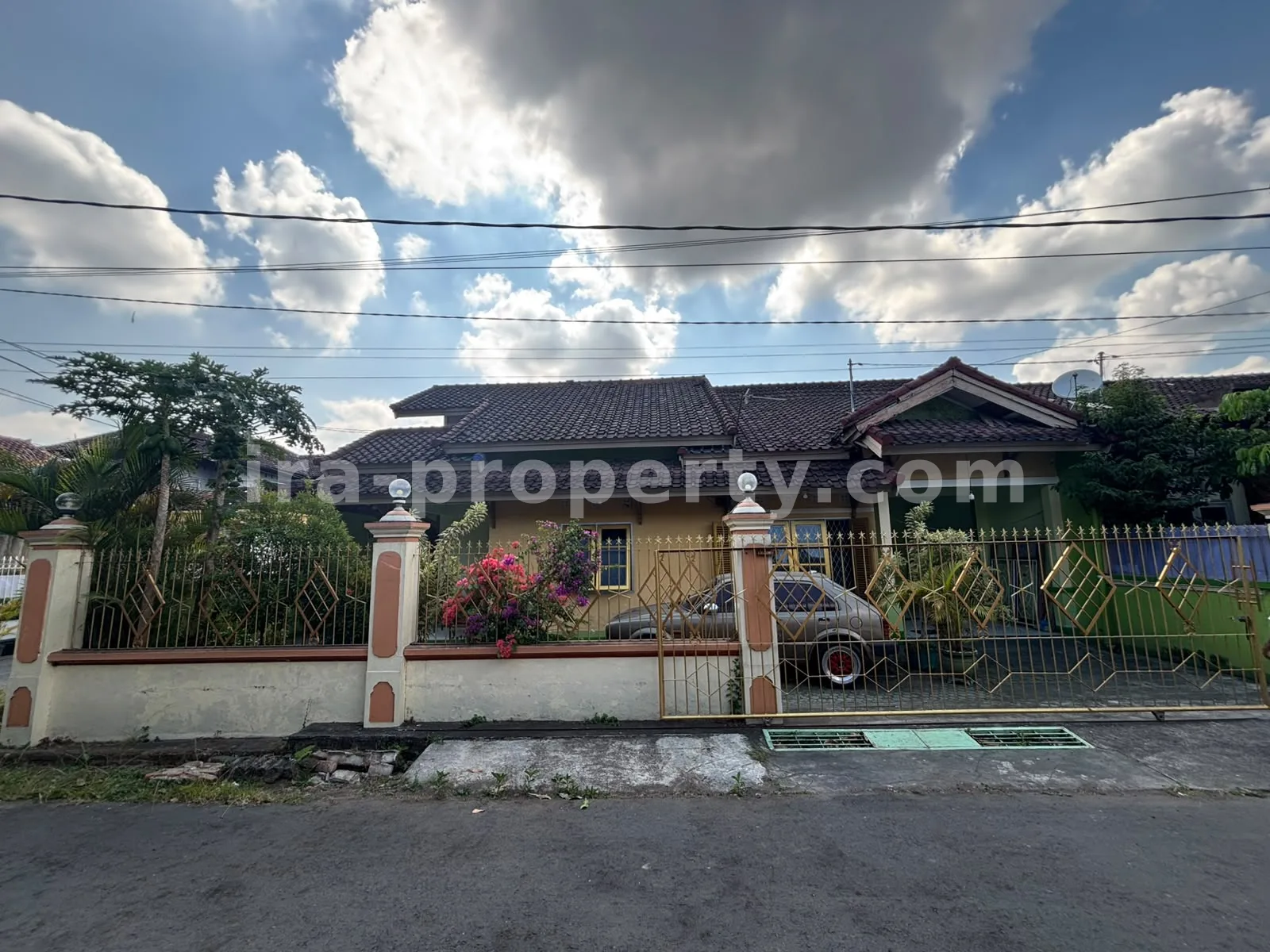 12 photos
Rp 850 jt
Batu Layar
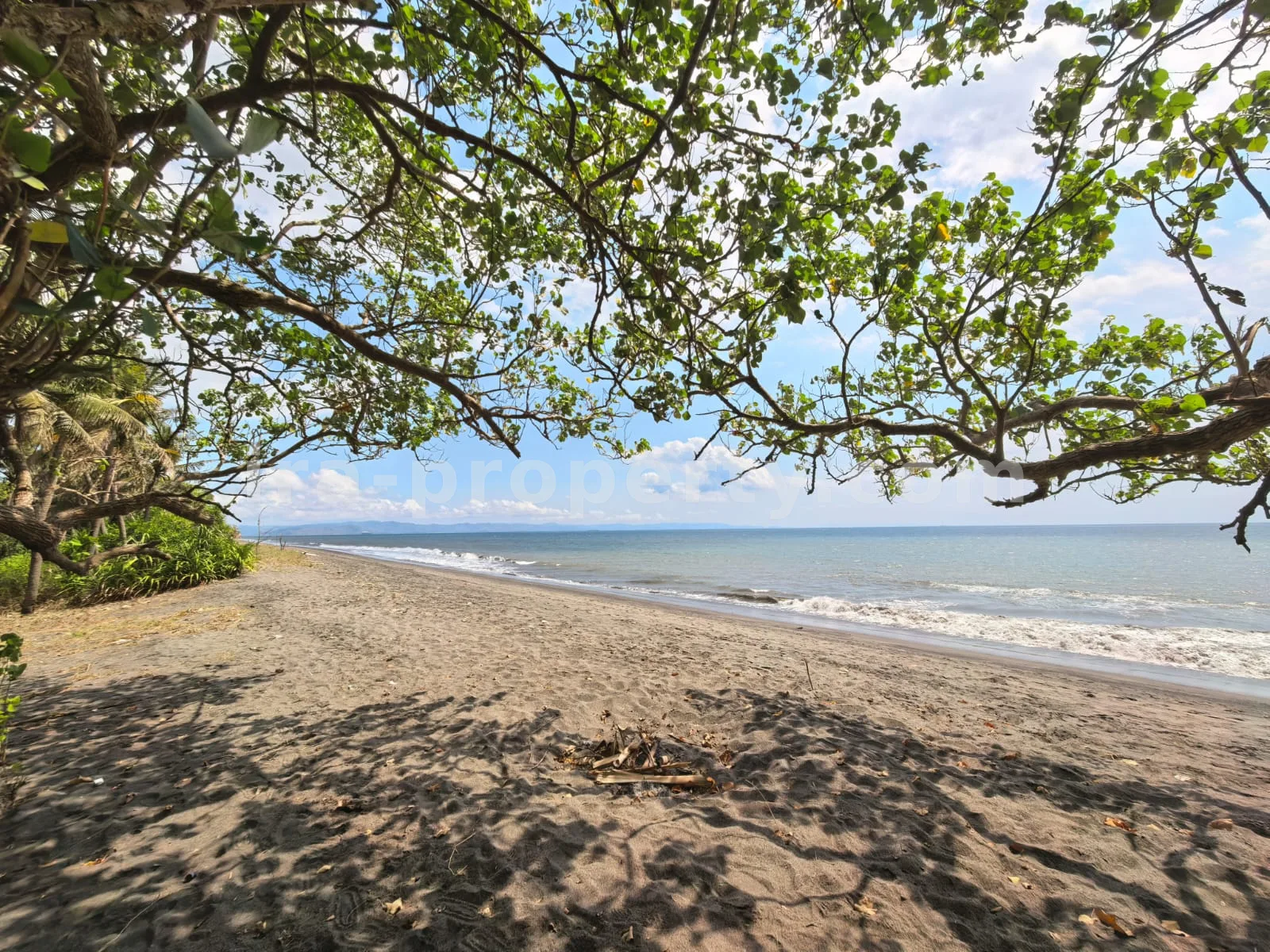 11 photos
Rp 1,2 MRp 60 jt / are
West Lombok Area
West Lombok carries two economies under one name. Along the shore sits the island's original tourism strip — Senggigi, Batu Layar, Kerandangan, and the viewpoints climbing north towards Malimbu. Behind it, a belt of villages runs into Mataram, close enough that people commute daily.
Buyers usually arrive wanting the first and end up doing the arithmetic on the second.
The West Lombok tourism office puts Senggigi around 10 km from Mataram. That proximity is the regency's real advantage: hospitals, schools, the wholesale market and government offices are all reachable without leaving the coast behind. The airport is the long leg, roughly an hour south towards Praya.
In August 2026 the regency government confirmed central government support for revitalising Pasar Senggigi, building a new jetty, and redeveloping points across the tourism area. A working pier would reconnect the west coast to the fast boats from Bali and the Gilis that currently bypass it.
Kuranji, Sandik, Kuripan, Narmada and Lingsar are farming and commuter country — rice fields, spring-fed bathing pools, the old royal gardens at Narmada, and housing built for people who work in the city. There is no sea view and no tourist season. What there is instead is a short daily drive to Mataram and land that behaves like residential land rather than resort land.
The coast suits hospitality: guesthouses, restaurants, dive operations, rental villas. It has a season, and the older resort stock means refurbishment projects are common here in a way they are not further south.
The inland villages suit families and long-term rentals. The tenant is a teacher, a nurse, a civil servant — someone whose income does not depend on flight arrivals. Less upside in a good season, far less exposure in a bad one.
On the coast, check the setback line if the land touches water, and confirm that permits on older buildings match what is actually standing. Inland, the questions change: irrigation rights on former rice land, whether the access lane is wide enough for a truck, and flood behaviour near the rivers in the wet season. Both halves share one issue — long tourism history means plots have changed hands repeatedly, so the certificate history deserves a proper look.